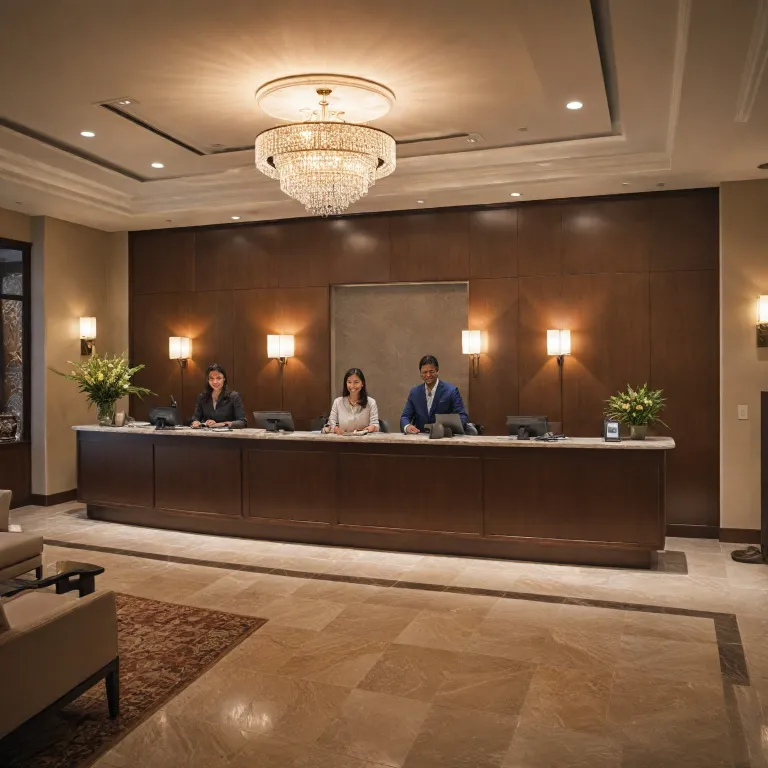
Building a foundation: Why training for hotel front desk roles matters
Effective training for hotel front desk employees is the cornerstone of exceptional guest service and operational efficiency. The front desk is the first point of contact for customers, shaping their initial impression of the hotel. Investing in robust training programs ensures that front office staff develop the skills and confidence required to handle diverse guest needs and deliver a seamless customer experience.
Training programs for hotel front desk staff focus on a blend of technical and soft skills. These include customer service, communication, active listening, time management, and conflict management. For example, a well-structured training program will help employees master telephone etiquette, front office operations, and guest service protocols. By fostering these skills, hotels can elevate their service level and create a welcoming environment for every guest.
Modern training initiatives also incorporate technology, such as learning management systems and interactive modules, to enhance engagement and retention. The integration of AI and augmented reality in training modules is an innovative approach that will help employees learn through realistic scenarios. This not only improves the effectiveness of desk training but also prepares staff for the evolving demands of the hospitality industry.
For DRH and recruitment managers, prioritizing comprehensive training for hotel front desk teams is a strategic investment. It leads to higher employee satisfaction, reduced turnover, and consistently positive guest feedback. The result is a stronger brand reputation and increased competitiveness in the hospitality market.
Essential skills and competencies for front desk staff
Front desk staff must possess a diverse set of skills to excel in their roles. Communication skills are paramount, enabling employees to interact effectively with guests, colleagues, and management. Active listening and empathy are equally important, as they allow staff to understand and address customer needs promptly.
Time management is another critical competency for front office employees. Desk staff often juggle multiple tasks, from check-ins and check-outs to handling guest inquiries and managing reservations. Training programs emphasize the importance of prioritizing tasks and maintaining composure during busy periods. This ensures that customer service remains consistent, even under pressure.
Conflict management and problem-solving are also integral to front desk training. Employees must be equipped to handle challenging situations, such as guest complaints or booking errors, with professionalism and tact. For example, training cover modules on conflict resolution and telephone etiquette will help staff de-escalate tense interactions and maintain a positive atmosphere in the hotel lobby.
Soft skills, such as adaptability and teamwork, are cultivated through practical exercises and role-playing scenarios. These experiences enable employees to learn from real-world examples and apply their knowledge in day-to-day operations. For further insights on developing these competencies, explore our comprehensive guide to hospitality recruitment best practices.
Designing effective training programs for hotel front desk operations
Creating a successful training program for hotel front desk staff requires a strategic approach that aligns with organizational goals and guest expectations. Training should begin with a thorough needs assessment, identifying the specific skills and knowledge gaps among employees. This enables HR managers and training coordinators to tailor content that addresses the unique challenges faced by front office teams.
Blended learning methods, combining in-person classroom sessions with online self-paced modules, offer flexibility and accessibility for staff. Interactive modules, practical exercises, and live virtual sessions are effective tools for reinforcing key concepts. For example, a training program might include simulations of guest check-in scenarios, telephone etiquette drills, and conflict management workshops.
Collaboration with industry partners, such as local hotels and training organizations, enhances the relevance and quality of training. These partnerships provide opportunities for hands-on experience and exposure to real-world office operations. As noted in the dataset, "Online programs can be equally effective if they offer comprehensive content, interactive modules, and practical exercises. The choice between online and in-person depends on individual learning preferences."
For those seeking to implement or upgrade their training initiatives, our resource on hospitality training program design offers actionable strategies and templates.
Leveraging technology and innovation in front desk training
The hospitality industry is embracing technological advancements to enhance training for hotel front desk staff. Learning management systems (LMS) streamline the delivery and tracking of training content, making it easier for HR managers to monitor employee progress. Interactive modules and gamified assessments engage learners and reinforce key skills such as customer service, communication, and time management.
AI-driven simulations and augmented reality experiences are transforming the way desk staff learn and practice essential tasks. For example, virtual reality scenarios can immerse employees in realistic guest service situations, allowing them to develop soft skills and problem-solving abilities in a risk-free environment. This approach will help front office teams adapt to the dynamic nature of hotel operations.
Online learning platforms, such as Udemy and Elevify, offer flexible training options with certifications in hotel front desk and reservations. These platforms cater to diverse learning preferences and schedules, making it easier for employees to upskill while balancing work commitments. As the dataset highlights, "There is increased demand for online and flexible learning options in hospitality training.
Best practices for recruitment and retention of front desk talent
Recruiting and retaining skilled front desk staff is a priority for hotels seeking to deliver outstanding guest experiences. Effective recruitment strategies begin with clear job descriptions that outline the required skills, competencies, and expectations for front office roles. Partnering with hotel schools, training organizations, and specialized HR firms can expand the talent pool and attract candidates with relevant training and experience.
Onboarding programs that integrate desk training, customer service workshops, and office operations modules set new hires up for success. Ongoing professional development opportunities, such as advanced training cover topics like conflict management and telephone etiquette, foster employee engagement and loyalty. Providing a free trial period for new training initiatives allows staff to experience the benefits firsthand and encourages participation.
Retention strategies should focus on creating a supportive work environment, recognizing employee achievements, and offering clear pathways for career advancement. Regular feedback and performance reviews help identify areas for improvement and reinforce a culture of continuous learning. As the dataset notes, "While many programs offer job placement assistance and have connections with local employers, they cannot guarantee employment. Success often depends on individual effort and market conditions."
By prioritizing recruitment and retention best practices, hotels can build high-performing front desk teams that consistently deliver good customer service and enhance the overall customer experience.
Measuring the impact of training on guest service and hotel performance
Assessing the effectiveness of training for hotel front desk staff is essential for continuous improvement and achieving business objectives. Key performance indicators (KPIs) such as guest satisfaction scores, customer service ratings, and employee retention rates provide valuable insights into the impact of training programs. Regular evaluation of desk staff performance ensures that training objectives are being met and identifies areas for further development.
Feedback from guests, colleagues, and supervisors is instrumental in measuring the success of training initiatives. For example, positive comments about front office staff's communication skills, active listening, and problem-solving abilities indicate that training is translating into improved guest service. Monitoring response times to guest inquiries and the resolution of conflicts also reflects the effectiveness of time management and conflict management modules.
Hotels can leverage data analytics to track trends and make informed decisions about future training investments. Benchmarking against industry standards and best practices helps organizations maintain a competitive edge and deliver consistently high levels of service. As noted in the dataset, "The hospitality industry requires well-trained front desk staff to ensure guest satisfaction and efficient operations."
Continuous assessment and adaptation of training programs will help hotels sustain excellence in guest service and drive long-term success.
Opportunities and challenges in the evolving landscape of front desk training
The landscape of training for hotel front desk roles is evolving rapidly, driven by changing guest expectations, technological advancements, and workforce dynamics. Opportunities abound for hotels to differentiate themselves through innovative training programs that prioritize customer experience and employee development. Embracing flexible learning options, such as online courses and blended learning, enables organizations to reach a wider audience and accommodate diverse learning styles.
However, challenges persist in ensuring consistent training quality across multiple locations and adapting content to meet the needs of a multicultural workforce. Balancing the integration of technology with the human touch remains a key consideration for HR managers and training coordinators. Financial constraints and resource limitations can also impact the scope and effectiveness of training initiatives.
Collaboration with educational institutions, industry partners, and technology providers will help hotels overcome these challenges and capitalize on emerging opportunities. By staying attuned to industry trends and continuously refining training strategies, organizations can build resilient front desk teams that deliver exceptional guest service and drive business growth.
For more information on navigating the complexities of front desk training, consult our expert resources and connect with leading training providers in the hospitality sector.
Key statistics on training for hotel front desk roles
- Employment growth in the hospitality industry is projected at 5.2%.
- The average annual salary for hotel front desk clerks in the U.S. is 30,000 USD.
- There is increased demand for online and flexible learning options in hospitality training.
Frequently asked questions about hotel front desk training
What qualifications are needed to enroll in hotel front desk training programs?
Most programs require a high school diploma or equivalent; however, some may accept individuals without formal qualifications if they demonstrate a strong interest in the hospitality industry.
Are online hotel front desk training programs as effective as in-person ones?
Online programs can be equally effective if they offer comprehensive content, interactive modules, and practical exercises. The choice between online and in-person depends on individual learning preferences.
Do these training programs guarantee job placement?
While many programs offer job placement assistance and have connections with local employers, they cannot guarantee employment. Success often depends on individual effort and market conditions.