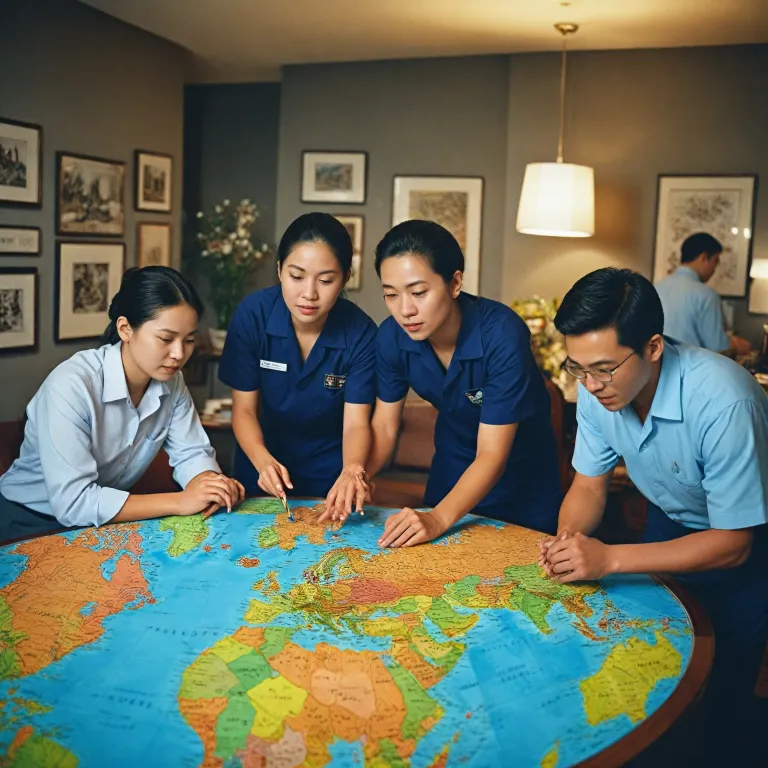
Understanding hospitality jobs with visa sponsorship: global talent pipelines and industry needs
The hospitality industry is experiencing a significant transformation as international recruitment becomes essential for sustaining service quality and operational efficiency. Hospitality jobs with visa sponsorship offer a strategic solution to labor shortages, especially in the United States and the United Kingdom, where demand for skilled and entry-level workers remains high. Employers such as Marriott International, Hilton Hotels & Resorts, Hyatt Hotels Corporation, and Four Seasons Hotels and Resorts are at the forefront, providing opportunities for international candidates to join their teams through structured visa programs.
Visa sponsorship in hospitality is not limited to one role; it spans across chef positions, food and beverage, rooms division, and general manager roles. These opportunities are often supported by robust training programs and cultural exchange initiatives, ensuring that international workers gain valuable work experience and contribute to the industry with fresh perspectives. The integration of visa programs into recruitment strategies allows hotels and restaurants to access a broader talent pool, fostering diversity and innovation within their teams. The hospitality industry with visa sponsorship is thus positioned as a dynamic field, where international talent and local expertise intersect to drive growth and excellence.
For DRH, recruitment managers, and HR specialists, understanding the nuances of visa training and exchange programs is crucial. These programs not only address immediate staffing needs but also support long-term career development for international workers. The United States, in particular, has seen a rise in the number of H-2B and J-1 visas issued, reflecting the industry's reliance on international workers to fill critical roles. As the sector continues to evolve, the ability to navigate visa sponsorship processes and leverage training program opportunities will be a defining factor in successful talent acquisition and retention strategies.
Key visa programs and pathways for international hospitality professionals
Visa sponsorship in the hospitality industry encompasses a range of programs designed to facilitate the entry of international workers into the United States and the United Kingdom. The H-2B visa is widely used for temporary non-agricultural roles, including positions in hotels, restaurants, and cruise lines. The J-1 exchange visitor program offers structured training and cultural exchange opportunities, particularly in culinary arts, food and beverage, and rooms division management. The EB-3 visa provides a pathway to permanent residency for skilled workers, including chefs and hospitality managers, who demonstrate long-term commitment to the industry.
Employers such as Carnival Cruise Line and Royal Caribbean International have developed comprehensive visa training programs to onboard international culinary and hospitality professionals. These programs often include on-the-job training, mentorship, and cultural orientation, ensuring that new hires are well-prepared to deliver exceptional guest experiences. For recruitment managers and HR consultants, partnering with authorized recruitment agencies and leveraging digital platforms can streamline the hiring process, making it easier to connect with qualified candidates worldwide.
It is essential for candidates and employers alike to understand the requirements and timelines associated with each visa program. Documentation, compliance, and coordination with government agencies such as the U.S. Department of State and USCIS are critical steps in securing successful placements. By investing in robust visa programs and training initiatives, the hospitality sector can continue to attract top international talent and maintain its competitive edge in a global market.
Training programs and career development: building expertise in hospitality with visa sponsorship
Training programs are central to the success of hospitality jobs with visa sponsorship, providing international workers with the skills and knowledge needed to excel in diverse roles. Leading hotel groups and restaurant chains offer comprehensive training program structures that cover culinary arts, food and beverage management, and rooms division operations. These programs are designed to bridge skill gaps, promote cultural exchange, and support career progression within the hospitality industry.
For example, a chef joining a hotel in the United States through a visa program may participate in a culinary arts training program that includes hands-on experience, mentorship from seasoned professionals, and exposure to international cuisines. Similarly, food and beverage managers benefit from targeted training in service standards, inventory management, and guest relations. These experiences not only enhance individual capabilities but also contribute to the overall quality and reputation of the hospitality establishment.
Career tips for international workers emphasize the importance of adaptability, continuous learning, and cultural sensitivity. As the hospitality industry with visa sponsorship continues to grow, training programs will play an increasingly vital role in shaping the next generation of leaders and innovators. For DRH and training organizations, investing in tailored training program offerings ensures that both employers and employees benefit from a mutually rewarding exchange.
Recruitment strategies for DRH and specialized agencies: optimizing talent acquisition with visa sponsorship
Effective recruitment strategies are essential for DRH, recruitment managers, and specialized HR agencies seeking to attract and retain international talent in hospitality jobs with visa sponsorship. The process begins with a clear understanding of the specific needs of each hotel, restaurant, or cruise line, followed by targeted outreach through company career websites, job boards, and authorized recruitment partners. Digital innovation, such as virtual interviews and online assessments, has streamlined the recruitment process, making it more accessible for candidates from around the world.
Collaboration with educational institutions, such as hotel schools and culinary arts academies, further enhances the talent pipeline. These partnerships enable employers to identify promising candidates early and provide them with tailored training program opportunities that align with industry standards. For example, a rooms division manager may be recruited through a specialized program that combines academic coursework with practical work experience in the United States or United Kingdom.
Specialized agencies play a crucial role in navigating the complexities of visa sponsorship, ensuring compliance with legal requirements and facilitating smooth transitions for international hires. By leveraging their expertise and networks, these agencies help employers access a diverse pool of candidates and maintain high standards of service within the hospitality industry. The integration of visa programs into recruitment strategies is thus a key driver of growth and innovation in the sector.
Cultural exchange and integration: enhancing the hospitality experience through diversity
Cultural exchange is a cornerstone of hospitality jobs with visa sponsorship, enriching both the workplace and the guest experience. International workers bring unique perspectives, skills, and traditions that contribute to a vibrant and inclusive hospitality environment. Programs such as the J-1 exchange and H-2B visa training initiatives are designed to promote cross-cultural understanding and foster a sense of community among employees from diverse backgrounds.
For hotels, restaurants, and cruise lines, embracing cultural diversity is not only a matter of compliance but also a strategic advantage. Guests increasingly seek authentic and personalized experiences, which can be delivered by teams that reflect a broad range of cultural influences. Training programs that emphasize cultural sensitivity, language skills, and teamwork are essential for successful integration and collaboration. The hospitality industry with visa sponsorship thus becomes a platform for meaningful exchange and mutual growth.
International workers are encouraged to familiarize themselves with local customs and workplace expectations, as highlighted in the dataset: "Familiarize yourself with the local culture and customs of your destination." This proactive approach ensures a smooth transition and enhances the overall work experience. For employers, supporting cultural exchange through mentorship and ongoing training is key to building a cohesive and high-performing team.
Practical tips for international candidates and employers: navigating hospitality jobs with visa sponsorship
Success in hospitality jobs with visa sponsorship depends on careful preparation and informed decision-making by both candidates and employers. International workers should ensure that all travel documents, including visas and work permits, are in order before departure. Planning for accommodation and transportation in advance can ease the transition and reduce stress upon arrival. As stated in the dataset: "Ensure all travel documents, including visas and work permits, are in order before departure."
Employers are advised to provide clear guidance and support throughout the onboarding process, including assistance with visa applications, orientation, and ongoing training. Open communication and transparency are essential for building trust and ensuring compliance with legal requirements. For those seeking career advancement, leveraging training program opportunities and seeking mentorship from experienced professionals can accelerate growth and open new pathways within the hospitality industry with visa sponsorship.
It is also important to stay informed about seasonal hiring trends and industry developments. As noted in the dataset: "There is typically increased hiring during peak tourist seasons, such as summer and winter, when demand for hospitality services rises." By aligning recruitment efforts with these cycles, both employers and candidates can maximize their chances of success. The integration of practical tips and best practices ensures that hospitality jobs with visa sponsorship remain accessible, rewarding, and sustainable for all stakeholders.
Future outlook: innovation, challenges, and opportunities in hospitality jobs with visa sponsorship
The future of hospitality jobs with visa sponsorship is shaped by ongoing innovation, evolving industry needs, and a commitment to cultural exchange. Employers are increasingly leveraging digital tools and virtual platforms to streamline recruitment and training processes, making it easier to connect with international talent. The expansion of visa programs and training initiatives reflects the industry's recognition of the value that international workers bring to the table.
Challenges remain, including navigating complex regulatory environments and ensuring compliance with changing visa requirements. However, the benefits of a diverse and skilled workforce far outweigh these obstacles. As the hospitality industry with visa sponsorship continues to grow, stakeholders must remain agile and proactive in adapting to new trends and opportunities. The integration of technology, training, and cultural exchange will be key drivers of success in the years to come.
For DRH, recruitment managers, and training organizations, the focus should be on building resilient talent pipelines, fostering inclusive workplaces, and supporting the professional development of international workers. By embracing these principles, the hospitality sector can continue to thrive and deliver exceptional experiences to guests around the world.
Key statistics on hospitality jobs with visa sponsorship
- Number of H-2B visas issued: 66,000 visas
- Average annual salary for housekeeping attendants: 37,000 USD
- Percentage of hospitality jobs filled by international workers: 15%
Frequently asked questions about hospitality jobs with visa sponsorship
What types of visas are commonly sponsored for hospitality jobs in the U.S.?
Commonly sponsored visas include the H-2B (temporary non-agricultural workers), J-1 (exchange visitors), and EB-3 (employment-based permanent residency) visas.
Do I need prior experience to apply for hospitality jobs with visa sponsorship?
While some positions require specific skills or experience, many entry-level roles offer on-the-job training and do not require prior experience.
Are there specific times of the year when hospitality jobs with visa sponsorship are more available?
Yes, there is typically increased hiring during peak tourist seasons, such as summer and winter, when demand for hospitality services rises.
