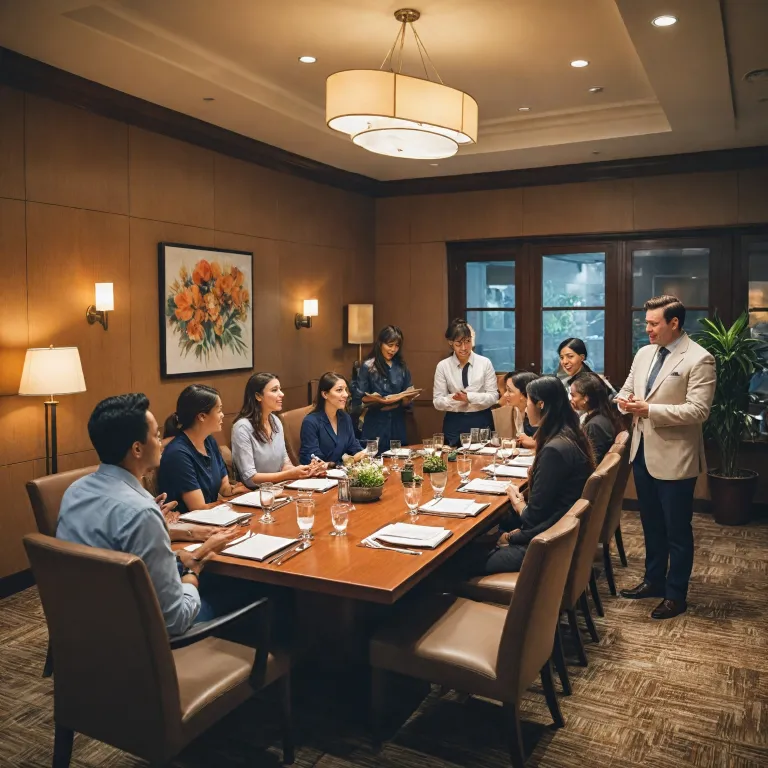
Redefining talent pipelines through hospitality industry training programs
Hospitality industry training programs have become the cornerstone for cultivating skilled professionals in a sector where service quality and operational excellence are paramount. These programs, offered by renowned institutes such as École hôtelière de Lausanne (EHL) and Swiss Hotel Management School (SHMS), blend theoretical learning with hands-on experience, ensuring that graduates are equipped for the multifaceted demands of hospitality management. The curriculum typically covers a spectrum of disciplines including hotel operations, food and beverage management, revenue management, and digital marketing, all of which are essential for aspiring managers and certified hotel professionals.
For human resources directors and recruitment managers, the value of a robust training program lies in its ability to produce candidates with both technical skills and a customer-centric mindset. Internationally recognized certifications and accreditations further enhance the credibility of these programs, making them attractive to global hotel groups and specialized HR consultancies. The integration of sustainability and technology into hospitality training reflects the industry's evolving priorities, preparing future leaders to navigate complex operational and financial management challenges. As the sector continues to globalize, the demand for adaptable, multilingual, and culturally aware managers grows, reinforcing the importance of comprehensive training programs in shaping the next generation of hospitality leaders.
Institutions are increasingly collaborating with industry partners to ensure that their management training programs remain relevant and aligned with real-world needs. This synergy between education and industry not only benefits students but also supports the broader objectives of talent retention and organizational growth within the hospitality industry.
Curriculum design: balancing theory, practice, and innovation in hospitality management
The design of hospitality industry training programs is a meticulous process that balances foundational theory with immersive practical experience. Leading institutes such as EHL and SHMS structure their courses to include classroom instruction, online modules, and internships, ensuring that students gain exposure to every facet of hotel management. The curriculum covers essential areas such as financial management, marketing, human resources, and operations, with specialized tracks in rooms division, front office, and food and beverage services.
Innovation is a defining feature of modern hospitality training, with programs integrating the latest management software, sustainability practices, and digital marketing strategies. This approach not only enhances the employability of graduates but also ensures that hotel operations remain agile in a rapidly changing industry landscape. The inclusion of sustainability modules, as championed by organizations like Fifty Shades Greener, reflects a growing emphasis on environmental responsibility within hospitality management training.
For DRH and recruitment specialists, evaluating the quality of a training program involves assessing its accreditation, industry partnerships, and the success of its alumni network. The presence of certified hotel management instructors and access to state-of-the-art facilities further distinguishes top-tier programs. To explore how curriculum innovation drives operational excellence, see innovative hospitality education models.
Developing leadership and management skills for the next generation of hospitality professionals
Effective hospitality industry training programs are designed to nurture leadership qualities and management skills that are critical for career advancement. Courses in management hospitality, revenue management, and customer service are tailored to prepare students for roles ranging from front office supervisors to hotel general managers. The integration of soft skills development, such as communication and problem-solving, complements technical training and is highly valued by employers in the hospitality sector.
International exposure is a hallmark of leading hospitality management programs, with many institutes offering exchange opportunities and internships in global hotel chains. This international perspective not only broadens students' understanding of diverse markets but also enhances their adaptability and cross-cultural competence. Training certification and industry-recognized credentials serve as benchmarks for excellence, enabling graduates to pursue careers in both domestic and international hospitality markets.
For recruitment agencies and HR consultants, the ability to identify candidates with a blend of operational expertise and leadership potential is crucial. Programs that emphasize mentorship, real-world case studies, and collaborative projects foster a culture of continuous learning and innovation. For insights into leadership development pathways, refer to leadership in hospitality management.
Integrating technology and sustainability in hospitality training programs
The hospitality industry is undergoing a digital transformation, and training programs are evolving to reflect this shift. Courses in digital marketing, hospitality management software, and data-driven revenue management are now integral components of the curriculum. These technological competencies are essential for managers tasked with optimizing hotel operations and enhancing guest experiences in a competitive marketplace.
Sustainability is another key pillar, with certified programs incorporating modules on environmental stewardship, resource efficiency, and green operations. Organizations like Fifty Shades Greener are leading the way in providing sustainability training and certification, ensuring that future hospitality leaders are equipped to implement responsible business practices. The integration of technology and sustainability not only meets industry demands but also aligns with the expectations of environmentally conscious guests and stakeholders.
For hotel groups and training institutes, staying ahead of technological and sustainability trends is vital for maintaining a competitive edge. Continuous professional development and upskilling opportunities enable managers and staff to adapt to new tools and standards, fostering a culture of innovation within the hospitality industry.
Accreditation, certification, and global recognition in hospitality education
Accreditation and certification are critical factors in evaluating the quality and credibility of hospitality industry training programs. Institutions such as EHL and SHMS have established themselves as global benchmarks, with their programs recognized for rigorous academic standards and strong industry connections. "Top schools include École hôtelière de Lausanne (EHL) and Swiss Hotel Management School (SHMS)." This recognition not only enhances the employability of graduates but also assures employers of the competency and professionalism of certified hotel managers.
Internationally accredited programs offer a pathway to global careers, with certifications in hotel management, revenue management, and hospitality operations widely respected across the industry. The growing availability of online training certification, as provided by The International School of Hospitality (TISOH), has democratized access to high-quality education, enabling professionals to upskill regardless of location. For DRH and recruitment managers, verifying the accreditation status of a candidate's training program is a key step in the hiring process.
Industry partnerships and advisory boards play a pivotal role in maintaining the relevance and rigor of hospitality management training. Regular curriculum reviews and input from leading hotel groups ensure that programs remain aligned with evolving industry standards and employer expectations.
Career pathways and talent development in the hospitality industry
Hospitality industry training programs serve as gateways to diverse career opportunities, from entry-level roles in front office and food and beverage to senior positions in hotel general management and financial management. The structured progression offered by management training programs allows individuals to build a solid foundation in hotel operations before advancing to specialized or leadership roles. "Many programs incorporate internships and hands-on training to provide practical experience."
For human resources professionals and recruitment agencies, the ability to map clear career pathways is essential for attracting and retaining top talent. Training institutes and hotel groups are increasingly investing in talent development initiatives, including mentorship programs, leadership academies, and continuous learning platforms. These efforts not only support individual career growth but also contribute to the overall competitiveness and innovation of the hospitality sector.
International mobility is a defining feature of hospitality careers, with certified professionals in high demand across global markets. The combination of technical skills, industry-recognized certification, and practical experience positions graduates for success in a dynamic and rewarding field. "Yes, institutions like The International School of Hospitality (TISOH) offer online programs."
Key statistics on hospitality industry training programs
- EHL Student Body: 3,318 students
- SHMS Ranking in QS World University Rankings: 3rd position
Frequently asked questions about hospitality industry training programs
What are the top hospitality management schools worldwide?
Top schools include École hôtelière de Lausanne (EHL) and Swiss Hotel Management School (SHMS).
Are there online hospitality training programs available?
Yes, institutions like The International School of Hospitality (TISOH) offer online programs.
Do hospitality training programs include practical experience?
Many programs incorporate internships and hands-on training to provide practical experience.