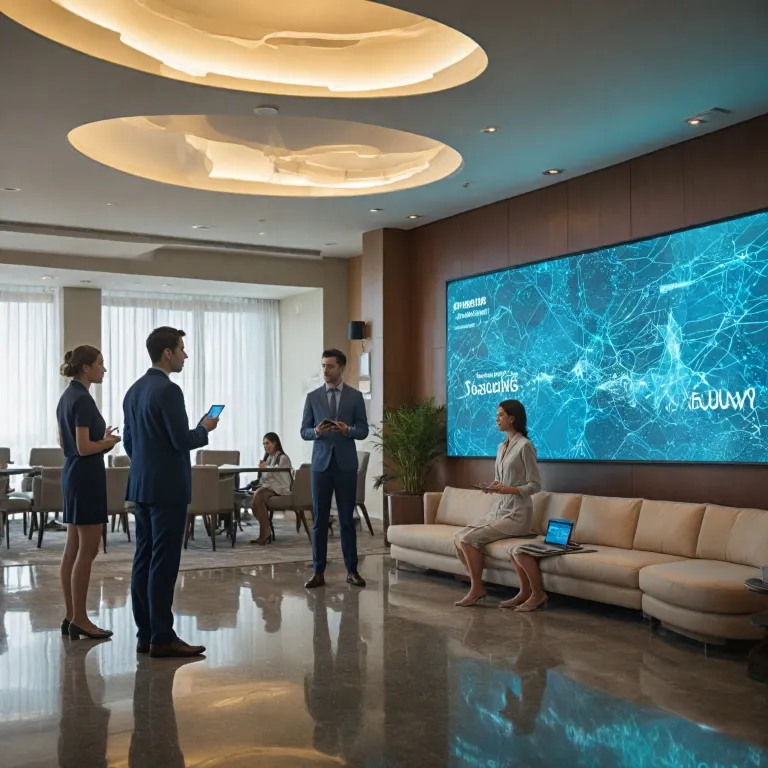
Strategic telecom foundations for talent centric hospitality management
Telecom for hospitality industry has become a decisive lever for talent strategies. In every hotel, telecom systems now shape how teams coordinate, learn, and deliver services. For DRH and recruitment leaders, this infrastructure is no longer a technical detail but a core management asset.
Modern telecom solutions connect hotel departments, training platforms, and HR tools into one coherent system. When telecom services integrate with a property management system, they support real time data flows that help management refine staffing, coaching, and performance follow up. This creates a direct link between telecom systems, operational efficiency, and the quality of services hospitality brands can guarantee to every guest.
VoIP based telephone systems, cloud PBX, and unified communications platforms now underpin the daily work of guests staff. These telecom solutions allow HR teams to monitor service quality, coordinate wake calls, and manage guest room requests with precise control. As a result, telecom for hospitality industry becomes a structural element of talent management, not just a cost center.
For hotel groups, the shift from legacy phone systems to integrated telecom systems also transforms employer branding. Candidates increasingly expect high speed internet, mobile friendly tools, and intuitive phone systems that mirror consumer technologies. When hotels invest in cost effective telecom services, they signal a commitment to innovation, staff empowerment, and long term career development within the hospitality industry.
Telecom enabled learning ecosystems for hotel schools and training partners
Hotel schools and organismes de formation now rely on telecom for hospitality industry to simulate real life operations. Training rooms equipped with modern phone systems, access control interfaces, and PMS connected telecom systems allow students to practice on the same tools used in leading hotels. This alignment between training environments and operational systems strengthens employability and accelerates onboarding.
Cloud based telephone systems and VoIP platforms make it easier to deliver hybrid learning for hospitality management programs. Instructors can use telecom services to connect remote campuses, record role play calls, and analyse guest experience scenarios with students. When a management system integrates telecom data, trainers can track how future guests staff handle service requests, complaints, and wake calls during simulations.
For DRH and recruitment managers, partnerships with schools that master telecom solutions are increasingly strategic. A curriculum that includes hotel phone configuration, telecom systems troubleshooting, and access control workflows prepares candidates for immediate contribution. Resources such as this guide to the best hotel management courses for talent development and recruitment illustrate how telecom for hospitality industry can be embedded into leadership pathways.
Telecom for hospitality industry also supports continuous learning once talents join hotels. High speed internet and secure phone systems enable micro learning modules, coaching calls, and feedback sessions across properties. When hotels design services hospitality training around real telecom systems, they help teams internalise procedures, improve guest experience, and maintain consistent service standards across diverse locations.
Recruitment, employer branding and telecom powered candidate experiences
Recruitment in the hospitality industry increasingly reflects the quality of telecom systems deployed across hotels. Candidates notice whether a hotel phone system is intuitive, whether guests staff communicate smoothly, and whether services hospitality are supported by reliable telecom solutions. These signals influence how young professionals perceive management maturity and long term career prospects.
Telecom for hospitality industry also reshapes the recruitment process itself. HR teams can use unified phone systems and telecom services to conduct structured interviews, record calls for training, and coordinate feedback between properties. When a management system centralises telecom data, DRH can analyse response times, communication quality, and operational efficiency indicators that reveal both talent gaps and high potential profiles.
Digital native candidates expect high speed internet, mobile extensions, and modern telecom systems in their future workplace. Hotels that still rely on fragmented telephone systems or outdated phone system interfaces risk appearing less attractive. By contrast, properties using platforms such as ComXchange PBX, Phonesuite VoIP systems, or Norstar IP phone systems signal a commitment to innovation and staff empowerment, which strengthens employer branding.
Telecom for hospitality industry also supports recruitment marketing and talent nurturing. Integrated telecom solutions allow HR teams to host virtual open days, connect with hotel schools, and run remote assessment centers with stable internet and professional phone systems. When these telecom systems are aligned with training initiatives such as hospitality industry training programs that shape talent and leadership, recruitment becomes a seamless extension of the learning ecosystem.
Operational excellence, guest experience and the role of telecom skills
Telecom for hospitality industry sits at the intersection of guest experience and operational excellence. In every hotel, telecom systems orchestrate wake calls, room service requests, maintenance alerts, and emergency responses that define both security and comfort. Training programs that ignore telecom skills leave a critical gap in the competence of guests staff.
When telephone systems integrate with a property management system, front office teams can manage guest room preferences, wake calls, and access control events with greater control. This integration supports faster service, more accurate billing, and better coordination between housekeeping, maintenance, and reception. As a result, telecom solutions directly influence the perceived quality of services hospitality brands deliver to guests.
HR leaders should therefore include telecom systems literacy in competency frameworks for supervisors and managers. Staff must understand how phone systems interact with high speed internet, how telecom services support security protocols, and how telecom systems data can inform management decisions. Training modules can use real hotel phone interfaces to rehearse crisis communication, VIP guest experience scenarios, and multi property coordination.
According to industry experts, “VoIP systems offer cost savings, integration with PMS, enhanced guest communication, and scalability.” This perspective underlines why telecom for hospitality industry is now a strategic skill set rather than a purely technical topic. By aligning telecom solutions, management system capabilities, and talent development, hotels can elevate both guest experience and staff engagement while maintaining cost effective operations.
Telecom infrastructure as a new HR and training KPI framework
For DRH and groupes hôteliers, telecom for hospitality industry provides a rich source of measurable indicators. Telecom systems generate data on call handling times, missed calls, wake calls success, and internal coordination that can be translated into HR and training KPIs. When this information is connected to a management system, it becomes a powerful tool for performance dialogue.
Hotels can use telecom services metrics to identify training needs, coaching priorities, and staffing imbalances. For example, frequent transfer errors in a phone system may indicate insufficient onboarding for new receptionists. Repeated delays in responding to guest room calls can reveal gaps in coordination between guests staff and back office teams, prompting targeted services hospitality training.
Cloud based telecom solutions also simplify benchmarking across hotels within a group. Standardised telephone systems and telecom systems dashboards allow HR leaders to compare operational efficiency, guest experience indicators, and security related response times. Insights from platforms like ClearlyIP’s ComXchange, Phonesuite, or Norstar Telecommunications can then feed into structured development plans and leadership programs.
By integrating telecom for hospitality industry into HR analytics, DRH can link training investments to tangible business outcomes. Improvements in call handling, access control coordination, and wake calls reliability can be correlated with guest satisfaction scores and revenue indicators. This approach reinforces the strategic role of telecom solutions in talent management and supports more cost effective allocation of training budgets across properties.
Future ready telecom competencies for hospitality careers worldwide
The global travel and hospitality telecom services market is expanding steadily, and this growth reshapes talent expectations. As telecom for hospitality industry evolves toward cloud based platforms, unified communications, and mobile first interfaces, new competencies emerge for both operational and managerial roles. HR leaders must anticipate these shifts to keep recruitment and training strategies aligned.
Future supervisors will need to understand how telecom systems interact with access control, property management, and high speed internet infrastructure. They will manage phone systems configurations, oversee telecom services contracts, and ensure that telephone systems remain both cost effective and secure. Articles on hospitality training workshops and professional growth strategies already highlight telecom literacy as a differentiating skill.
Operational teams will continue to rely on hotel phone interfaces, guest room communication tools, and telecom systems dashboards to deliver seamless services hospitality. As guests demand more personalised guest experience, staff must master telecom solutions that support multilingual service, omnichannel contact, and precise control of room related requests. This competence will become a core criterion in recruitment for the hospitality industry.
To remain attractive employers, hotels and training partners should frame telecom for hospitality industry as a career accelerator rather than a technical constraint. By integrating telecom systems projects into management development, encouraging certifications on telecom solutions, and linking these skills to business impact, DRH can build a new generation of leaders. These leaders will be able to align telecom, HR, and guest experience strategies across diverse hotels and international markets.
Key statistics on telecom for hospitality industry
- Global travel and hospitality telecom services market size valued at USD 25,902.2 million.
- Projected market size expected to reach USD 33,630.7 million by the end of the forecast period.
- Compound annual growth rate (CAGR) estimated at 5.4 % between the mid and late decade.
- The ComXchange platform currently serves more than 350,000 hotel rooms worldwide.
Frequently asked questions on telecom for hospitality industry
What are the benefits of VoIP systems in hotels?
VoIP systems offer cost savings, integration with PMS, enhanced guest communication, and scalability.
How does cloud based PBX improve hotel operations?
Cloud based PBX solutions provide flexibility, remote management, reduced maintenance costs, and seamless integration with other hotel systems.
Why is integrating telecom solutions with PMS important?
Integration ensures real time data exchange, streamlines operations, enhances guest services, and improves overall efficiency.
How can telecom systems support staff training in hospitality?
Telecom systems enable call recording, performance monitoring, and realistic simulations that help trainers assess communication skills and service quality. When integrated with a management system, these tools provide detailed feedback for continuous improvement.
What role do telecom solutions play in guest security and access control?
Telecom solutions connect access control devices, emergency alerts, and internal communication channels to ensure rapid response. This integration enhances both guest security and staff coordination, while maintaining a smooth guest experience throughout the stay.