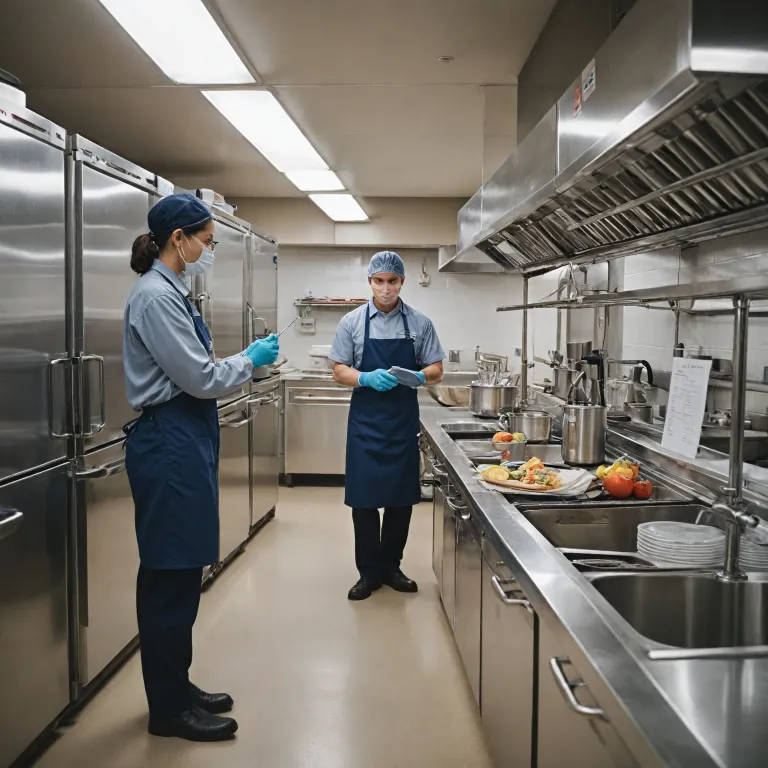
Why HR leaders need a step by step guide to conducting kitchen inspections
Human resources leaders rarely lead a kitchen inspection, yet their decisions shape every kitchen. In hospitality groups, a clear step by step guide to conducting kitchen inspections becomes a strategic HR tool that connects recruitment, training, and restaurant health outcomes. When DRH and recruitment managers understand how food, inspection, safety, and health interact in the kitchen, they can align talent strategies with public health expectations.
Regular kitchen inspections in a commercial kitchen are not only an operational ritual, they are a powerful mirror of culture, learning, and discipline. A structured kitchen inspection reveals whether hygiene, temperature control, and food storage practices are truly embedded in staff behaviour or only present in manuals. For HR teams, each health inspection is also a live assessment of onboarding quality, leadership effectiveness, and the robustness of cleaning schedules and food preparation protocols.
In many hotel and restaurant groups, the kitchen manager and the food safety inspector operate in silos, while HR focuses on turnover and recruitment pipelines. Yet inspectors will often surface recurring violations linked directly to skills gaps, weak training, or poor role design rather than bad intentions. When HR leaders master a step by step guide to conducting kitchen inspections, they can translate inspection checklist findings into competency frameworks, targeted training, and performance indicators that reduce foodborne illness risks and strengthen restaurant health.
Structuring a talent focused framework for kitchen inspections
A modern step by step guide to conducting kitchen inspections should start with people, not only with equipment. Before any kitchen inspection, HR and the kitchen manager can jointly review job descriptions, training records, and cleaning schedules to ensure that responsibilities for hygiene and safety are explicit. This shared preparation helps ensure that every inspection checklist item has a clearly accountable role, from food storage to pest control and temperature control.
During inspections, HR observers can map each inspection point to specific competencies and behaviours. For example, when an inspector checks cutting boards, hazardous foods, and cross contamination controls, HR can assess whether staff understand food safety principles or simply follow routines mechanically. This approach turns inspections into practical assessments that inform recruitment criteria for chefs, supervisors, and kitchen cleaning teams across multiple restaurants and areas.
Partnerships with hospitality schools and organismes de formation become more effective when they are anchored in real inspection data. Sharing anonymised health inspection findings with training partners allows them to adjust curricula around food preparation, equipment handling, and hygiene in commercial kitchen environments. Case studies such as this employee development in hospitality recruitment approach show how structured learning pathways can be aligned with operational control requirements and regulatory compliance.
Designing training that mirrors real health inspection scenarios
For écoles hôtelières and corporate academies, the most effective step by step guide to conducting kitchen inspections is one that can be rehearsed in training kitchens. Simulated kitchen inspections, led jointly by trainers and a health inspector or experienced food safety inspector, allow learners to experience the pressure and detail of real inspections. These simulations should cover food safety, hygiene, storage, and cleaning in all kitchen areas, from preparation benches to dishwashing zones.
Training scenarios should integrate realistic violations and contamination risks, such as incorrect food storage temperatures, poor temperature control, or inadequate pest control. When learners see how quickly cross contamination can occur between raw hazardous foods and ready to eat dishes on cutting boards, they better understand why inspectors will focus on these points. Embedding inspection checklist items into daily routines, including equipment maintenance and kitchen cleaning tasks, helps future staff internalise standards before they enter a busy restaurant or hotel kitchen.
Digital tools now allow trainers to capture inspection style observations and link them to individual learning plans. For HR and cabinets RH spécialisés, this creates a traceable link between training investments, inspection results, and public health outcomes. As one expert summary notes, “Common violations include improper food storage temperatures, cross-contamination, inadequate sanitation, and lack of proper documentation.” By rehearsing these issues in controlled environments, organisations can significantly reduce the likelihood of such violations in operational kitchens.
Embedding inspection culture into recruitment and performance management
Recruitment strategies in hospitality often emphasise speed and flexibility, yet a robust step by step guide to conducting kitchen inspections demands a different lens. DRH and responsables recrutement should integrate food safety, hygiene, and health awareness into competency models for all kitchen roles. Interview questions, practical tests, and reference checks can explicitly address experience with kitchen inspections, health inspection protocols, and adherence to standards in previous restaurant or commercial kitchen positions.
Once hired, staff performance management should reflect the same priorities that a health inspector brings to an inspection. Objectives can include adherence to cleaning schedules, correct food storage and temperature control, and proactive reporting of equipment failures or potential contamination risks. When inspection checklist results and restaurant health scores are integrated into performance reviews, staff understand that food safety and hygiene are core to their role, not peripheral compliance tasks.
For multi property hotel groups, HR analytics can correlate inspection results with turnover, training hours, and leadership stability. Patterns of repeated violations in specific areas, such as storage rooms or food preparation zones, may indicate deeper issues in supervision or workload design. Linking these insights to structured mentoring programmes, such as those outlined in this article on hospitality mentorship opportunities and talent development, helps build a culture where inspections are viewed as learning opportunities rather than punitive events.
Operationalising the inspection checklist across shifts and sites
Translating a step by step guide to conducting kitchen inspections into daily practice requires meticulous operational design. HR, kitchen managers, and quality teams can co create a standardised inspection checklist that reflects local public health regulations and internal brand standards. This checklist should cover food, equipment, storage, cleaning, pest control, and staff hygiene, ensuring that every critical control point in the kitchen is monitored.
To ensure consistency, inspections should be embedded into shift routines rather than treated as occasional events. Short pre service inspections can verify temperature control, food storage, and cleanliness of food preparation areas, while post service checks can focus on kitchen cleaning, equipment shutdown, and waste management. Digital inspection tools enable supervisors to log findings in real time, track recurring violations, and escalate issues that may pose a foodborne illness risk or threaten restaurant health ratings.
For HR and training partners, these operational inspections generate valuable data on behaviour and compliance. Trends in cross contamination incidents, cleaning failures, or equipment misuse can inform targeted micro learning modules and coaching sessions. When inspectors will later conduct official health inspection visits, the organisation already has a living record of internal inspections, corrective actions, and staff engagement with food safety and hygiene expectations.
Aligning HR, regulators, and training partners around public health outcomes
The ultimate purpose of any step by step guide to conducting kitchen inspections is to protect guests and staff from foodborne illness and uphold public health. For DRH, groupes hôteliers, and cabinets RH spécialisés, this means positioning kitchen inspections as a shared responsibility across HR, operations, and regulatory partners. Regular dialogue with the local health inspector and food safety inspector can clarify expectations around standards, documentation, and acceptable timelines for correcting violations.
HR leaders can invite inspectors to contribute to leadership development programmes, explaining how they evaluate food safety, hygiene, and compliance in restaurant and hotel kitchens. Joint workshops with écoles hôtelières and organismes de formation can align curricula with real inspection practices, from handling hazardous foods to maintaining cutting boards and equipment in high volume food preparation areas. When all actors share a common language around inspection, control, and contamination risks, the organisation can respond faster and more coherently to emerging issues.
Finally, transparent communication of inspection results, corrective actions, and continuous improvement efforts strengthens trust with guests, employees, and regulators. Publishing aggregated restaurant health indicators internally, and linking them to recognition programmes, reinforces the message that kitchen inspections are a core expression of the brand’s values. In this integrated model, HR decisions on recruitment, training, and performance management become powerful levers for sustained compliance, safer kitchens, and resilient hospitality operations.
Key statistics for HR and training leaders
- Percentage of foodborne illnesses linked to improper food handling : 48 % (Centers for Disease Control and Prevention).
- Average number of health inspections per year in commercial kitchens : 2 inspections (National Restaurant Association).
Frequently asked questions about HR and kitchen inspections
What are common violations found during kitchen inspections?
Common violations include improper food storage temperatures, cross-contamination, inadequate sanitation, and lack of proper documentation.
How can a kitchen prepare for an upcoming inspection?
Conduct regular self-inspections, maintain thorough records, ensure staff are trained in food safety practices, and address any identified issues promptly.
How should HR collaborate with kitchen managers on inspections?
HR should align job descriptions, training plans, and performance indicators with inspection checklist priorities, then review inspection results jointly with kitchen managers to identify skills gaps and development needs.
What role do hospitality schools play in improving inspection outcomes?
Hospitality schools can integrate realistic health inspection simulations into their curricula, focusing on hygiene, food storage, and contamination prevention, so graduates arrive in the workplace already familiar with inspection standards.
Why are digital tools important for modern kitchen inspections?
Digital inspection tools support real time data capture, trend analysis, and transparent follow up, enabling HR, operations, and regulators to coordinate more effectively around food safety and public health objectives.