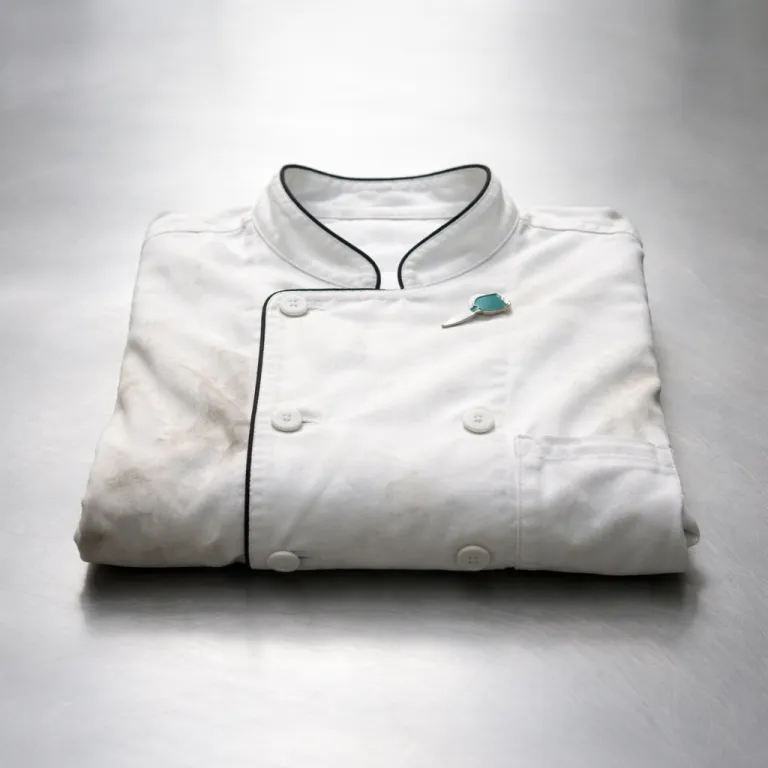
Why the kitchen brigade is the hardest test of hospitality workplace culture
The sharpest test of hospitality workplace culture is not the lobby. It is the kitchen brigade where real hospitality either lives in the heat of service or dies under shouted orders and silent resignation. In that hidden workplace, hospitality people decide whether they will stay, grow or leave before the end of probation.
For HR leaders and hotel management teams, the kitchen is where workplace hospitality collides with entrenched hierarchy. The brigade structure can deliver flawless guest experience, yet it can also normalise humiliation that erodes any inclusive workplace narrative. When underrepresented employees feel they must endure bias to learn, diversity inclusion becomes a slogan rather than a lived work culture.
Many GMs still treat the kitchen as a black box, focusing on food cost and ticket times. That blind spot means they miss the strongest predictor of hospitality workplace retention, which is whether employees feel a genuine sense of belonging on the line. When the culture in that environment is toxic, company culture statements in the office corridors ring hollow for staff and guests alike.
Policy versus practice: what exit interviews from the kitchen really say
Across the hospitality industry, DEI policies now sit in handbooks and training decks. Yet anonymised exit interviews from back of house roles consistently show that workplace culture, not pay alone, drives early attrition among underrepresented staff. One internal hotel group analysis of 600 exit interviews found that over 60 percent of kitchen leavers cited “team climate” or “treatment by supervisors” as a primary reason for resigning, which underlines that “What defines hospitality workplace culture? Shared values and practices guiding service delivery.”
When you read those interviews closely, patterns emerge that pure compliance work never touches. Employees describe an environment where leadership will speak about diversity inclusion in meetings, but shift leaders still allocate the worst work to the same people every weekend. They report that they rarely feel valued when feedback only arrives as criticism shouted in front of the team and guests can hear the tension from the pass.
Others talk about the gap between the polished office narrative and the real hospitality they live in the kitchen. They mention that the workplace experience promised during recruitment does not match the reality of the culture on the night shift. Over time, these employees feel that brand reputation matters more than their safety, their progression or their basic sense of belonging at work.
Operational levers a GM controls to shift hospitality workplace culture
Changing hospitality workplace culture in the kitchen is not an abstract HR project. It is a set of operational levers that a GM and HR director can pull with discipline and clear metrics. The first lever is scheduling equity, because nothing signals who matters in this workplace more loudly than who always closes and who gets weekends off.
Build a rota that shares premium and unpopular shifts across the whole staff, and publish the rules so employees feel the system is transparent. As a practical threshold, aim for no individual to work more than two consecutive weekends or more than 60 percent of closing shifts in any eight week period. Use data from your planning tool to track whether underrepresented people are over concentrated on cleaning, prep or night work compared with the rest of the team. When management reviews those numbers monthly, they send a signal that work culture is as measurable as food cost or RevPAR.
The second lever is shift lead rotation and promotion visibility. Rotate responsibility for the pass, the cold section or the breakfast team so more employees experience leadership tasks in a supported way. A simple cadence is to rotate lead duties every four to six weeks, with a clear checklist of responsibilities and a short handover. Tie that rotation to a skills based framework, and align it with skills based hiring practices such as those described in research from the World Economic Forum and the OECD on the impact of hiring for competencies rather than degrees, so hospitality people see a fair path from commis to sous chef.
Where corporate DEI programmes miss the kitchen floor reality
Corporate DEI programmes often focus on office based initiatives, mentoring schemes and brand reputation campaigns. Those efforts can improve the overall company culture, yet they rarely touch the daily work environment where a kitchen team spends ten hours on their feet. Without property level change, the hospitality culture that line cooks and stewards live remains untouched by head office intentions.
Central training on creating inclusive behaviour is useful, but it must be translated into concrete standards for how chefs address staff in service. If leadership will not hold a long tenured chef de partie accountable for bullying, employees feel that the real rules of this workplace culture are different from the posters. Over time, underrepresented people learn that speaking up about diversity inclusion issues carries more risk than reward.
Corporate dashboards may show progress on gender balance or training completion, while the highest 90 day attrition still sits in back of house roles. Industry benchmarks from organisations such as the American Hotel & Lodging Association suggest that keeping 90 day turnover for kitchen roles below 25–30 percent is a realistic target in many markets. That is why the question “How does culture impact employee retention? Positive culture increases job satisfaction, reducing turnover.” belongs on every GM agenda. Until the hospitality workplace in the kitchen reflects that answer, the wider hospitality industry will keep losing talent before they reach their first annual review.
Measuring when hospitality workplace culture change is actually working
For a GM, the only credible proof that hospitality workplace culture is improving is in the numbers and the stories from the line. Start with retention by role, sliced by demographic, for all kitchen and back of house positions. Then track internal promotion rate from steward and commis roles into supervisory posts, because that is where employees feel the work culture either opens doors or keeps them shut.
Layer in peer recognition data, especially any public recognition platform used across the property. Research on employee recognition in service industries, including studies summarised by Gallup and the Society for Human Resource Management, indicates that regular, specific recognition can boost retention by roughly 20–25 percent year on year, which is a powerful lever when applied to an inclusive workplace strategy. When recognition is evenly distributed across the team, not just to the loudest personalities, people read that as a sign of real hospitality in the environment.
Finally, monitor the distribution of guest comments that mention the kitchen, breakfast or banqueting staff. A stronger guest experience often appears first in small details, like how quickly dietary needs are handled or how calmly the team manages a delay. When staff and guests both describe a calmer, more respectful workplace experience, you gain valuable insights that your hospitality workplace is moving towards a positive work culture where employees feel genuinely safe and supported.
The hard part of culture change: when some people will not come with you
Every GM who has shifted a difficult hospitality workplace culture knows there is a painful phase. Some long tenured staff, often with strong technical skills, will resist any move towards a more inclusive workplace. They may openly mock diversity inclusion efforts, or quietly punish people who engage with them.
At that point, leadership must decide what kind of hospitality culture they are willing to defend. Keeping a brilliant but toxic chef because “guests love the food” sends a clear message that employees feel is louder than any training programme. It tells the team that brand reputation matters more than whether they feel valued or safe in their daily work.
Letting such a person go is operationally disruptive, yet it often marks the real turning point in company culture. Remaining staff and new employees see that management will protect a healthy environment even at short term cost. That is when “What role does training play in workplace culture? Training reinforces desired behaviors and standards.” stops being a sentence in a manual and becomes the lived experience of hospitality people on the kitchen floor.
FAQ
How can a GM quickly assess the health of kitchen workplace culture ?
Start with three simple checks that do not require new tools. Look at 90 day attrition in kitchen roles, scan the rota for who always works late or weekend shifts, and read a sample of recent exit interviews. If the same names, sections or demographic groups appear repeatedly, the hospitality workplace culture in that area needs urgent attention.
What practical steps improve employees’ sense of belonging in back of house teams ?
Introduce structured pre shift briefings where every person speaks, not just senior chefs. Rotate small responsibilities, such as leading the briefing or managing the pass, so more people experience trust and visibility. Combine this with regular one to one check ins focused on development, which helps employees feel that leadership sees their potential, not only their current station.
How does workplace culture in the kitchen affect guest experience ?
A tense or hostile kitchen environment often spills into the dining room through delays, inconsistent plating and brittle interactions with front of house staff. When the team behind the pass works in a respectful, calm culture, service flows more smoothly and guests receive more confident, attentive hospitality. Over time, this stable work culture supports higher customer satisfaction scores and repeat business.
Which metrics should HR and DRH track to monitor DEI progress in kitchens ?
Key metrics include 90 day and one year retention by role and demographic, internal promotion rates from steward and commis positions, and distribution of training and recognition across the team. Tracking complaints related to harassment or discrimination, and how quickly they are resolved, is equally important. Together, these data points provide a clear picture of whether diversity inclusion efforts are changing the real hospitality workplace or only the policy documents.
What role do training programmes play in sustaining a positive kitchen culture ?
Training programmes translate values into daily behaviours that staff can practice and managers can coach. Technical training should be paired with modules on feedback, conflict management and inclusive communication tailored to the pressure of service. When reinforced through on the job coaching and performance evaluations, this approach anchors a positive work environment that supports both employees and guests.