Why neurodiversity in hotel operations is now a core business issue
Neurodiversity in the hospitality industry is no longer a niche HR topic. It is a structural workforce and workplace culture issue that directly shapes how people work, how guests feel, and how long employees stay. When you treat the neurodiversity hospitality workplace as a strategic asset, you unlock new ways of problem solving and service design that traditional models routinely miss.
Neurodiversity refers to the natural variation in human brains and ways thinking, including autistic, ADHD, dyslexic and other neurodivergent individuals. In a hotel workplace this means you already employ neurodivergent people and neurodiverse employees, whether they have disclosed or not, across front office, housekeeping, kitchen, maintenance and revenue management. A recent YouGov poll reported that 19 % of Americans identify as neurodivergent, which means any sizeable hospitality workplace statistically hosts a significant neurodivergent team even if no one has raised the topic formally.
For HR directors, the question is not whether neurodivergent employees are present, but whether the workplace culture, training design and communication norms support neurodivergent people to perform at their best. A neurodiversity workplace that is not intentional tends to default to noisy, rushed, last minute ways of working that quietly exclude people who process information differently. That exclusion shows up in higher absence, lower retention, and a constant need to rehire for the same roles, week after week and day after day.
Hospitality leaders who are embracing neurodiversity are reframing the conversation from accommodation to performance. They ask how to create workplaces where clear communication, predictable shifts and sensory aware design help all employees, not only neurodivergent individuals. In this context, the Searcys decision to roll out neurodiversity training across its portfolio and win an HR in Hospitality Award for DEI is not a branding story ; it is a workforce strategy that connects directly to retention, guest satisfaction and the P&L.
From policy to practice: what neurodiversity means at the front desk
Front office is where the neurodiversity hospitality workplace becomes visible to guests and to the team. The lobby is often loud, bright and time pressured, which can be challenging for neurodivergent employees and for neurodivergent people checking in after a long journey. When HR and operations leaders create workplaces that respect sensory needs at reception, they protect both service quality and staff wellbeing.
Start with the basics of clear communication and role design. Some team members thrive on high volume guest interaction, while other neurodivergent individuals may excel in back office tasks such as pre arrival email handling, report preparation or night audit work. When you align people work patterns with their strengths, you reduce stress, improve problem solving at the desk, and build a more stable neurodivergent team that can handle peak day and week cycles without burning out.
Training is the second lever. Neurodiversity training for front office supervisors should cover how different ways thinking affect processing of verbal instructions, noise tolerance and eye contact expectations. It should also show practical ways to support neurodivergent employees, such as offering written checklists, using clear signage, and allowing short decompression breaks after intense guest interactions. This is where the Searcys style portfolio wide training model becomes relevant for any hotel group that wants to move from policy statements to daily action.
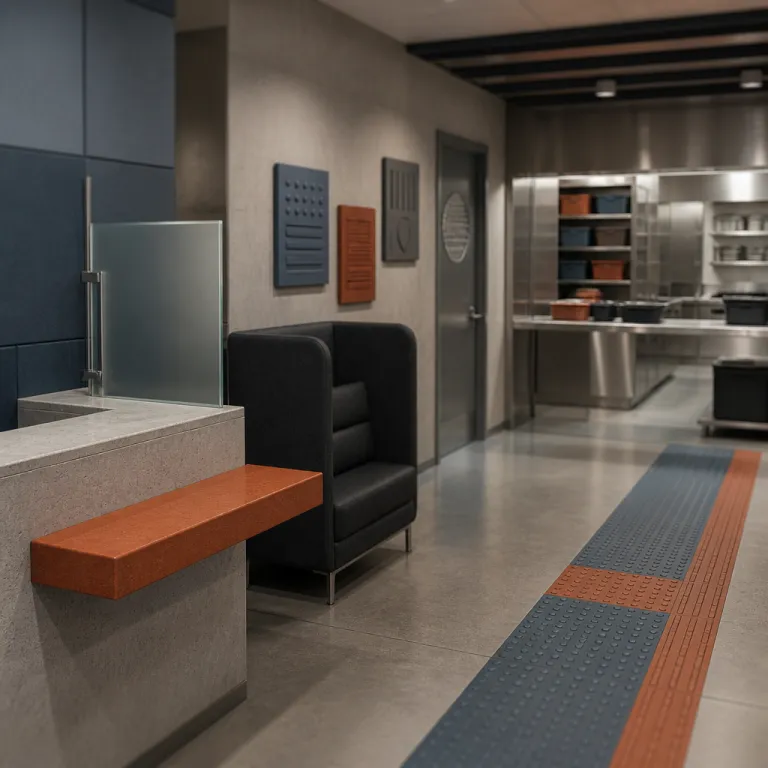
Physical design matters as much as training. The New York case study of a hotel at 123 Main Street that implemented neuroinclusive design shows how sensory friendly materials, flexible lighting and quiet back office spaces can transform front office workplaces. Their design team used clear signage and calmer colour palettes to reduce cognitive load for employees and guests, while hotel management ensured that staff training, policy updates and design adjustments were aligned in one neurodiversity workplace roadmap. For a deeper look at how front line culture can undermine or reinforce DEI, many HR leaders now analyse kitchen brigade culture and the DEI gap through resources such as the Talents for Travel article on what stays broken when only policy changes.
Housekeeping and back of house: redesigning routines for neurodiverse employees
Housekeeping and back of house operations are often where neurodivergent employees can thrive, provided the workplace culture and scheduling respect their needs. These departments rely on repetition, precision and time management, which align well with many neurodivergent ways thinking. Yet without clear communication and structured training, the same roles can become overwhelming and drive avoidable turnover.
HR directors should map the full housekeeping workflow, from morning briefing to end of day room checks, through a neurodiversity lens. Ask where noise, last minute changes or ambiguous instructions create friction for neurodiverse employees and for the wider team members. Simple adjustments such as visual room assignment boards, colour coded trolleys, and written step by step checklists can transform how people work together, especially when English is a second language and cognitive load is already high.
Back of house areas like laundry, stewarding and receiving also benefit from embracing neurodiversity as a design principle. Many neurodivergent people prefer predictable routines and clear task boundaries, which these functions can offer when supervisors are trained to support neurodivergent staff. Training should include how to break tasks into smaller steps, how to use clear communication instead of shouted instructions, and how to schedule short recovery breaks during the busiest time of the day or week.
Partnerships with external training organizations and neurodiversity consultants can accelerate this shift. In the New York initiative mentioned earlier, hotel management worked with such partners to update policies, introduce sensory friendly materials in staff corridors, and align staff training with design changes. For HR leaders balancing DEI commitments with political and regulatory headwinds, it is useful to benchmark against sector wide analysis such as the Talents for Travel piece on DEI in hospitality post executive orders, which highlights where operators are holding the line and where they are not.
Inside the kitchen and maintenance: micro adjustments that change retention
The kitchen brigade and maintenance workshop are often the least discussed parts of the neurodiversity hospitality workplace, yet they host a high concentration of neurodivergent employees. These teams operate under intense time pressure, with heat, noise and constant interruptions that can be especially challenging for some neurodivergent individuals. When leaders ignore this reality, they see talented people leave quietly after a few weeks, and they misread the pattern as a generic labour shortage.
In the kitchen, the goal is creating inclusive routines without compromising speed or safety. Clear communication is non negotiable ; that means standardised verbal calls, visual ticket systems, and pre service briefings that outline menu changes in writing as well as speech. Many neurodiverse employees perform exceptionally in mise en place, pastry or prep roles where deep focus and consistent problem solving are valued, while other team members handle the high noise, high interaction pass and expo positions.
Maintenance and engineering teams also benefit from a neurodiversity workplace approach. These roles often attract neurodivergent people who enjoy technical problem solving, pattern recognition and independent work, yet they are frequently managed with vague work orders and last minute task changes. Introducing digital work order systems with clear task descriptions, estimated time requirements and visual diagrams can help support neurodivergent technicians and reduce rework, while also improving guest satisfaction through faster, more accurate fixes.
Supervisors in both kitchen and maintenance need targeted training on embracing neurodiversity as a performance lever. That training should cover how to support neurodivergent employees through predictable rosters, how to use quiet hand signals instead of shouting during peak service, and how to create workplaces where feedback is specific rather than emotional. As one internal FAQ from a leading neuroinclusive design project states, "What is neuroinclusive design? Designing environments accommodating all sensory profiles." This principle applies as much to the hot line and the boiler room as it does to the lobby.
Training the trainers: building supervisory capability for a neurodiversity workplace
No neurodiversity hospitality workplace strategy survives contact with the rota if supervisors are not prepared. Training the training team is where HR directors, learning managers and hotel management can either embed an inclusive culture or leave neurodivergent employees exposed to inconsistent practices. The Searcys example shows that portfolio wide neurodiversity training can win awards, but the real KPI is whether line managers change how they brief, schedule and support their people.
A robust training programme for supervisors should start with awareness and move quickly to action. Managers need to understand what neurodiversity is, how many people in their workplaces are likely to be neurodivergent, and why some employees may never request formal accommodations. Then they need concrete tools : templates for clear communication, checklists for creating inclusive team briefings, and coaching guides for one to one conversations with neurodivergent individuals who may struggle to articulate what they need.
Role play and scenario based learning are particularly effective in hospitality industry settings. Supervisors can practise responding when a neurodivergent team member is overwhelmed by last minute changes, or when neurodiverse employees misinterpret ambiguous instructions during a busy day. Training should also address how to support neurodivergent employees who work night shifts, where reduced staffing and higher autonomy can either be a strength or a risk depending on the clarity of expectations.
HR teams should schedule refresher sessions at least once per year, rather than treating neurodiversity training as a one off event. Over time, this builds a shared language around embracing neurodiversity, where phrases like "creating inclusive rosters" or "clear communication in pre shift" become part of daily operations. When supervisors see that these practices reduce conflict, improve problem solving and stabilise the neurodivergent team, they become advocates rather than reluctant participants.
The business case: retention, guest satisfaction and tax incentives
For a general manager or DRH, the neurodiversity hospitality workplace is ultimately a business decision. Inclusive hotels consistently report higher guest satisfaction, stronger global brand appeal and increased corporate and MICE business, because their workplaces mirror the diversity of their guests. When employees feel respected and supported, they bring that energy to every guest interaction, from check in to late night room service.
Retention is the first hard metric. Neurodivergent employees who receive clear communication, predictable schedules and tailored training are more likely to stay beyond the critical first ninety days, which is where many hotels lose a disproportionate share of new hires. Reducing early attrition by even a few percentage points can save significant recruitment and onboarding costs over a year, especially in high volume roles such as housekeeping, front desk and F&B service.
There is also a direct financial incentive in many markets to support neurodivergent hiring. In the United States, for example, most hospitality professionals are still unaware of the Work Opportunity Tax Credit, which can exceed 2 400 dollars per eligible hire in certain categories. When HR teams align their neurodiversity workplace strategy with such incentives, they can reinvest savings into better training, sensory friendly design and partnerships with disability organizations that specialise in employment support.
Beyond tax credits, the reputational impact of creating inclusive workplaces is increasingly visible in corporate RFPs and travel management company criteria. Large buyers want to see evidence of an inclusive culture, not just a policy on paper, and they are starting to ask how hotels support neurodivergent people in their teams and among their guests. Hotels that can show concrete actions, such as staff training completion dates, design modifications and partnerships with neurodiversity consultants, are better positioned to win long term contracts and to stabilise their workforce at the same time.
Building a portfolio wide roadmap: from single property pilots to group standards
Moving from a single neurodiversity friendly hotel to a portfolio wide standard requires structure. Hotel groups, écoles hôtelières and specialized HR cabinets need a roadmap that connects local pilots, such as the New York neuroinclusive design project, with group level policies and training frameworks. Without that link, good practice remains isolated and neurodivergent employees experience a postcode lottery of support.
A practical roadmap starts with a baseline assessment of current workplaces. HR teams can run short surveys asking employees how they feel about noise, lighting, communication and schedule predictability, while also reviewing incident reports and turnover data by department. This data driven view of the neurodiversity hospitality workplace highlights where to act first, whether that is front desk scripting, housekeeping briefings or kitchen shift patterns.
The next step is to define minimum standards for creating inclusive environments across all properties. These standards might include clear communication protocols for team briefings, mandatory neurodiversity training for supervisors, and design guidelines for sensory friendly staff areas. Hotel management should work closely with design teams, neurodiversity consultants and training organizations to ensure that new builds and refurbishments integrate neuroinclusive design principles from the start, rather than as retrofits.
Finally, governance matters. Groups should assign clear ownership for the neurodiversity workplace agenda, with regular reporting on training completion, retention of neurodivergent employees and feedback from neurodiverse employees and guests. Over time, this creates a virtuous cycle where embracing neurodiversity is seen not as a side project, but as a core part of how the hospitality industry competes for talent, delivers service and sustains performance across every day, week and season.
Key figures on neurodiversity and hospitality workplaces
- 19 % of Americans identify as neurodivergent according to a YouGov poll, which means any medium sized hotel workplace statistically includes a significant number of neurodivergent individuals even if few have disclosed.
- Research cited by GLOBAL indicates that 42 % of the intellectual and developmental disability community wants employment but remains unemployed, representing a large untapped talent pool for the hospitality industry.
- Inclusive hotels have been shown to achieve higher Net Promoter Scores and stronger global brand appeal, which can translate into increased corporate and MICE bookings over time when compared with less inclusive competitors.
- The Work Opportunity Tax Credit in the United States can exceed 2 400 dollars per eligible hire in certain categories, creating a direct financial incentive for hotels that support neurodivergent employees through structured recruitment and onboarding.
- In one neuroinclusive design initiative in New York, staff training was completed within roughly two weeks of launch and design modifications were implemented within a further month, illustrating that meaningful change can occur on an operationally realistic timeline.
FAQ about building a neurodiversity friendly hotel
What is neuroinclusive design in a hotel context ?
Neuroinclusive design in hotels means planning spaces, signage, lighting and workflows so that people with different sensory profiles can work and stay comfortably. It includes measures such as flexible lighting, reduced visual clutter, clear wayfinding and quieter staff areas. The goal is to create workplaces and guest zones that do not overload neurodivergent individuals while still supporting efficient operations.
Why is neurodiversity important for the hospitality industry workforce ?
Neurodiversity is important because a significant share of potential employees are neurodivergent, and many bring strong skills in focus, pattern recognition and problem solving. When hotels support neurodivergent employees through clear communication, structured training and predictable schedules, they reduce turnover and improve service consistency. This directly affects guest satisfaction, brand reputation and long term profitability.
How can hotels start implementing neurodiversity friendly practices ?
Hotels can start by training supervisors on neurodiversity basics, reviewing communication practices, and making small design changes such as clearer signage and quieter staff spaces. Partnering with neurodiversity consultants or disability organizations helps tailor actions to each workplace. Piloting changes in one department, then scaling successful practices across the property and portfolio, keeps the process manageable.
What support can neurodivergent employees expect in a well prepared hotel ?
In a well prepared hotel, neurodivergent employees can expect clear job expectations, written instructions, and the option to discuss sensory or scheduling needs with trained managers. They may have access to quieter break areas, more predictable shift patterns and tailored training materials. The overall workplace culture should encourage open communication without forcing disclosure or medical details.
How does neurodiversity training benefit non neurodivergent team members ?
Neurodiversity training improves communication, structure and empathy across the whole team, not only for neurodivergent people. Practices such as clearer briefings, better signage and more predictable rosters reduce stress and errors for all employees. As a result, teams collaborate more effectively, handle peak periods with fewer conflicts, and deliver more consistent guest experiences.