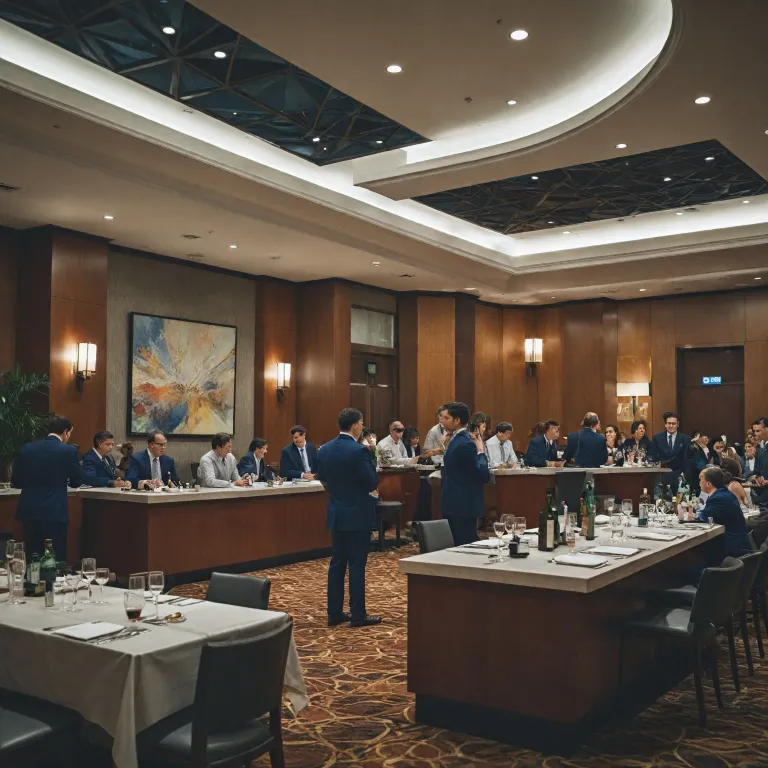
Understanding the dynamics of hospitality recruitment and talent acquisition
Recruiting hotel staff in the hospitality industry requires a nuanced approach that balances operational needs, guest satisfaction, and long-term employee retention. The hospitality sector is renowned for its high turnover rates, which makes the hiring process both a challenge and an opportunity for managers and human resources departments. To build a skilled and dedicated team, it is essential to develop a comprehensive recruitment process that includes detailed job descriptions, effective sourcing of candidates, and structured onboarding programs.
Hospitality recruitment begins with crafting clear job descriptions that reflect the specific requirements of each role, from food and beverage to front desk operations. These descriptions help attract potential candidates who align with the hotel's values and work environment. The process is further enhanced by leveraging employee referral programs, which have been shown to improve performance by 15 percent. By involving current employees in peer interviews, hotels can assess cultural fit and ensure that new hires will contribute positively to the team dynamic.
Managers and department heads play a critical role in evaluating candidates during interviews, focusing on both technical skills and customer service orientation. Utilizing applicant tracking systems and talent assessments streamlines the recruiting process, allowing for efficient screening of hospitality staff. The ultimate goal is to offer a work environment that supports career paths and employee retention, ensuring that top talent remains engaged and motivated.
Leveraging technology and social media in the hiring process
Technology has transformed how hotels approach talent acquisition and recruiting hotel staff. Applicant tracking systems (ATS) and AI-based candidate matching tools enable managers to efficiently sift through large pools of candidates, identifying those with the right skills and experience. Social media platforms have become indispensable for sourcing hospitality workers, promoting job openings, and showcasing the unique work environment that each hotel offers.
Hospitality recruitment strategies now include targeted campaigns on platforms such as LinkedIn and Instagram, where potential candidates actively seek job opportunities. By highlighting employee testimonials and career paths, hotels can attract top talent who are passionate about customer service and the hospitality industry. Social media also allows for real-time engagement with candidates, helping to answer questions about the hiring process and the benefits of working in hospitality.
Partnerships with hospitality schools and recruitment agencies further expand the pool of qualified candidates. These collaborations help hotels identify students and graduates who are eager to begin their careers in hospitality. For a comprehensive overview of digital recruitment strategies, explore our guide on hospitality recruitment best practices.
Building a strong employer brand to attract top hospitality talent
Employer branding is a powerful tool in the competitive landscape of hospitality recruitment. A strong employer brand communicates the hotel's values, culture, and commitment to employee development, making it easier to recruit hotel staff who are aligned with the organization's mission. Managers and human resources departments must work together to create a compelling narrative that highlights career advancement opportunities, training programs, and the positive impact employees have on guest experiences.
Showcasing success stories of hospitality workers who have advanced within the company helps attract candidates seeking long-term career paths. Employee retention is closely linked to the perception of growth and support within the workplace. Offering a free demo of onboarding programs or talent assessments can help potential candidates understand what to expect from the hiring process and the support available to them.
Hospitality recruitment also benefits from transparent communication about job expectations, work schedules, and benefits. By addressing these factors early in the recruiting process, hotels can reduce turnover and ensure that new hires are committed to delivering exceptional customer service. For more insights on building a strong employer brand, visit our resource on employer branding in hospitality.
Effective interview questions and assessment techniques for hotel staff
The interview process is a critical stage in recruiting hotel staff, as it allows managers to assess both technical competencies and cultural fit. Structured interviews, combined with targeted interview questions, help identify candidates who possess the skills and attitude necessary for success in the hospitality industry. Questions should focus on customer service experience, problem-solving abilities, and adaptability in fast-paced work environments.
Talent assessments, such as situational judgment tests and role-playing exercises, provide valuable insights into how candidates will perform in real-world scenarios. These tools help managers evaluate potential candidates' ability to handle guest interactions, manage stress, and work collaboratively with other hospitality staff. Incorporating feedback from current employees through peer interviews further enhances the selection process, ensuring that new hires will integrate smoothly into the team.
It is essential to tailor interview questions to the specific requirements of each hotel department, whether it is food and beverage, housekeeping, or front desk operations. By focusing on both hard and soft skills, hotels can build a workforce that excels in customer service and operational efficiency.
Strategies for employee retention and long-term career development
Retaining top talent in the hospitality industry requires a proactive approach to employee engagement and career development. High turnover rates, which can reach up to 79 percent, highlight the importance of creating a supportive work environment that values employee contributions. Offering competitive wages, comprehensive benefits, and clear career paths helps motivate hospitality workers to stay with the organization over the long term.
Training and development programs are essential for building a skilled workforce and supporting employee retention. By investing in ongoing education and mentorship, hotels demonstrate their commitment to the professional growth of their staff. Employee referral programs and recognition initiatives further strengthen loyalty and foster a sense of belonging among hospitality staff.
Managers should regularly solicit feedback from employees to identify areas for improvement in the work environment and the hiring process. By addressing concerns and celebrating achievements, hotels can create a culture of trust and collaboration. This approach not only enhances guest satisfaction but also positions the hotel as an employer of choice in the competitive hospitality recruitment landscape.
Innovative partnerships and continuous improvement in hospitality recruitment
Collaboration with external partners is a key driver of success in recruiting hotel staff. Partnerships with hospitality schools, recruitment agencies, and staffing firms provide access to a diverse pool of candidates and facilitate the exchange of best practices. Attending industry-specific job fairs and participating in apprenticeship programs help hotels connect with emerging talent and promote career opportunities within the hospitality industry.
Innovation in the hiring process, such as implementing AI-based candidate screening and leveraging data analytics, enables hotels to make informed decisions and improve the efficiency of talent acquisition. Continuous evaluation of recruitment strategies ensures that hotels remain agile and responsive to changing market conditions. As one expert notes, "Effective strategies include creating detailed job descriptions, utilizing employee referral programs, attending industry events, and leveraging social media platforms."
By embracing a culture of continuous improvement and fostering strong relationships with educational institutions, hotels can build a pipeline of qualified hospitality workers. This approach not only addresses immediate staffing needs but also supports the long-term growth and sustainability of the hospitality sector.
Key statistics on hospitality recruitment and employee retention
- Hospitality industry turnover rate: 79 percent
- Employee referrals performance improvement: 15 percent
Frequently asked questions about recruiting hotel staff
What are effective strategies for recruiting hotel staff?
Effective strategies include creating detailed job descriptions, utilizing employee referral programs, attending industry events, and leveraging social media platforms.
How can hotels reduce staff turnover?
Hotels can reduce staff turnover by offering competitive wages and benefits, providing clear career advancement opportunities, and fostering a positive work environment.
Why is cultural fit important in hotel recruitment?
Cultural fit ensures that employees align with the hotel's values and work environment, leading to higher job satisfaction and better guest experiences.
Trusted sources for hospitality recruitment and talent acquisition
- https://www.hospitalitynet.org
- https://www.caterer.com
- https://www.hcareers.com