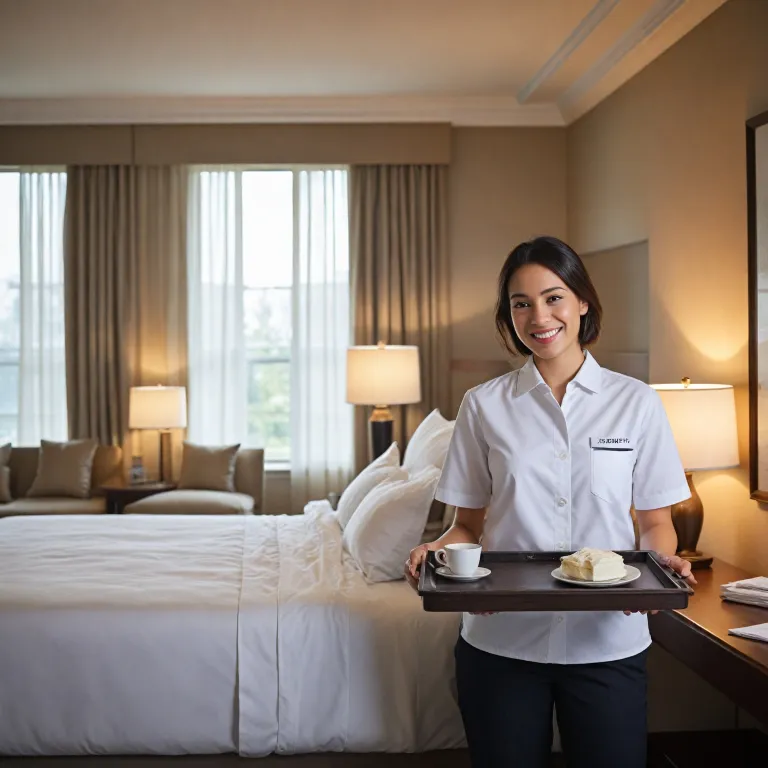
Redefining what a room attendant is in strategic hospitality HR
Understanding what a room attendant is has become essential for every hotel HR leader. When DRH and recruitment managers map critical roles, this attendant position now sits at the heart of guest experience and operational performance. For hotel groups and specialized HR firms, the room attendant role is a strategic lever rather than a simple cleaning job.
A room attendant works within housekeeping to maintain each guest room in a consistently clean and welcoming condition. Their daily work covers general cleaning tasks, handling laundry, restocking amenities, and reporting technical issues in guest rooms to the housekeeping supervisor or maintenance team. This combination of physical work and service mindset means the role directly shapes how every guest will perceive the hotel brand.
From a talent perspective, the room attendant position demands strong time management and the ability work efficiently across multiple rooms and public areas. HR leaders must recognize that maintaining clean spaces in a timely manner requires more than basic cleaning skills ; it calls for attention detail, resilience, and solid communication skills with colleagues and guests. When these competencies are formally defined, the job becomes a structured hospitality career step instead of an informal back of house function.
For hotel schools and organismes de formation, clarifying what is a room attendant also means clarifying pathways toward roles such as laundry attendant, housekeeping supervisor, executive housekeeper, and even general manager or executive positions. By framing room attendants as future leaders in hospitality, training institutions help ensure guest satisfaction, operational continuity, and long term retention in housekeeping teams.
Core responsibilities of room attendants and their impact on guest experience
When HR professionals ask what is a room attendant in operational terms, the answer starts with the guest room itself. Room attendants clean and maintain guest rooms, replace used linens and towels, and restock amenities so that each guest will enter a space that feels both safe and comfortable. Their work extends beyond visible surfaces to include general cleaning of less obvious areas, from under beds to high shelving.
Daily tasks typically include vacuuming, dusting, sanitizing bathrooms, and making beds to brand standards in all assigned rooms. A room attendant also checks equipment, reports maintenance issues, and coordinates with the attendant laundry team to ensure that fresh linen is available in a timely manner. In many hotels, room attendants support public areas cleaning as well, helping housekeeping colleagues keep corridors, lobbies, and service areas aligned with hygiene protocols.
Because the job is guest facing, communication skills are essential for greeting guests, answering simple questions, and helping ensure guest comfort without intruding on privacy. A professional attendant understands how to manage time management constraints while still maintaining clean standards that meet health regulations and internal audits. This balance between speed and quality is where the ability work under pressure becomes a decisive recruitment criterion.
For DRH and executive housekeeper leaders, these responsibilities must be translated into precise job descriptions, competency frameworks, and performance KPIs. When hotel perform reviews, they should evaluate not only cleaning outputs but also how room attendants contribute to guest reviews, upsell opportunities, and brand reputation. In that sense, the room attendant role is a frontline hospitality ambassador, not just a back office cleaning resource.
Skills, training, and career paths from room attendant to executive roles
Clarifying what is a room attendant also means defining the skill set that transforms this job into a sustainable hospitality career. Essential skills include attention detail, knowledge of cleaning procedures, time management, and customer service skills. These capabilities can be systematically developed through structured training programs designed by hotel schools, internal academies, and external organismes de formation.
Technical modules should cover general cleaning techniques, eco friendly products, safe handling of sanitizing agents, and efficient use of cleaning equipment in guest rooms and public areas. Operational training must also address collaboration with the laundry attendant and attendant laundry teams, including linen flows, stock control, and communication with the housekeeping supervisor and executive housekeeper. When HR departments formalize these curricula, they give room attendants a clear roadmap for progression.
Soft skills training is equally important, especially around communication skills with guests, colleagues, and managers. A room attendant who can ensure guest comfort while coordinating with the general manager or executive teams about special requests becomes a valuable asset. Over time, these skills support promotion into housekeeping supervisor roles, then into executive housekeeper or broader hotel manager positions.
For DRH and recruitment specialists, the ability work with these structured pathways helps reposition the room attendant job as an entry point to full time, long term employment. Transparent pay scales, recognition programs, and mentoring by senior managers encourage room attendants to stay and grow within the hotel. This approach also supports employer branding, making hospitality more attractive to new generations who seek visible development opportunities.
Work organization, time management, and performance standards in housekeeping
From an HR operations perspective, understanding what is a room attendant involves analyzing how work is organized across shifts and floors. A typical full time room attendant will be assigned a specific number of guest rooms and public areas to service within a defined time frame. The hotel perform standards determine how many rooms can be cleaned in a timely manner without compromising quality.
Effective time management is therefore a core competency, and the ability work methodically is crucial for maintaining clean environments. Room attendants must sequence tasks, coordinate with the laundry attendant team, and adapt when guests request late check outs or early arrivals. When DRH and housekeeping supervisor leaders co design realistic workloads, they protect both service quality and employee wellbeing.
Performance management should integrate both quantitative and qualitative indicators for room attendants. Quantitative metrics include the number of rooms serviced, adherence to schedules, and response times for special requests in each guest room. Qualitative metrics focus on attention detail, guest feedback, and compliance with safety and sanitation protocols in all areas.
To support these standards, executive housekeeper and general manager teams can implement checklists, digital room status tools, and regular coaching sessions. HR departments should also ensure that attendant and attendant laundry staff receive training on ergonomics and safe work practices to reduce injuries. When performance expectations are clear and supported by adequate resources, room attendants can deliver consistent housekeeping excellence that directly enhances guest satisfaction and loyalty.
Compensation, working conditions, and retention strategies for room attendants
Any strategic discussion about what is a room attendant must address pay, working conditions, and retention. In many markets, the average hourly wage for a room attendant in the U.S. is $16.13, with regional variations that HR leaders must benchmark carefully. Transparent pay structures, including progression steps for senior room attendants and cross trained staff in public areas or laundry, are essential for fairness and motivation.
Working conditions for a room attendant can be physically demanding, involving repetitive movements, handling laundry, and moving equipment between rooms and floors. DRH and general manager teams should therefore invest in ergonomic tools, realistic room quotas, and adequate staffing levels to avoid excessive pressure. When hotels schedule full time and part time contracts thoughtfully, they support both operational needs and employee work life balance.
Retention strategies should combine competitive pay with recognition, training, and clear career pathways. A room attendant who sees a route toward housekeeping supervisor, executive housekeeper, or even broader executive roles is more likely to remain engaged. HR can also use internal mobility programs to move experienced room attendants into roles such as laundry attendant, public areas specialist, or cross functional service positions.
For recruitment specialists and hotel groups, articulating these conditions in employer branding materials is critical. Detailed role descriptions, including how room attendants contribute to maintaining clean standards and ensure guest satisfaction, help attract candidates who value professionalism. For deeper guidance on competency based profiles and strategic wording for hospitality roles, HR leaders can consult resources such as this analysis of strategic keywords for hotel industry recruitment and training leaders.
From operational role to strategic talent pipeline in hospitality
For DRH, hotel schools, and specialized HR firms, the key question is not only what is a room attendant, but how this role feeds the broader talent pipeline. A well structured room attendant job can serve as the primary entry point into hospitality for candidates with limited experience. With the right training and mentoring, these attendants can progress toward supervisory and managerial positions across multiple areas.
Room attendants interact daily with guests, colleagues, and managers, which makes the role ideal for assessing potential. Their attention detail, time management, and communication skills provide early indicators of suitability for leadership tracks. When executive housekeeper and housekeeping supervisor teams systematically identify high potential room attendants, they create a robust internal succession plan.
Hotel schools and organismes de formation can integrate practical modules where students rotate between guest rooms, public areas, and laundry operations. This exposure helps them understand how a room attendant, a laundry attendant, and an attendant laundry specialist collaborate to ensure guest satisfaction. It also reinforces the idea that maintaining clean environments in a timely manner is a shared responsibility across housekeeping.
For HR leaders, positioning the room attendant role as a strategic development platform supports both recruitment and retention. By aligning job design, pay, training, and performance management, hotels can transform room attendants into future housekeeping supervisor, executive housekeeper, or even general manager profiles. In this way, the humble guest room becomes a powerful training ground for the next generation of hospitality executives.
Key statistics and frequently asked questions about room attendants
To support data driven decisions about what is a room attendant, HR leaders should monitor key quantitative indicators. In the United States, recent benchmarks show that the average hourly wage for a room attendant is around 16.13 USD, with lower averages in some states and higher in others. For example, Texas reports an average of 12.91 USD per hour, while Florida shows approximately 16.53 USD per hour for similar roles.
These figures help DRH and general manager teams calibrate pay scales for full time and part time room attendants, laundry attendants, and public areas staff. They also inform negotiations with external service providers when hotels outsource certain housekeeping or attendant laundry functions. By aligning compensation with market data, hotels can remain competitive while maintaining clean financial structures.
Frequently asked questions from candidates and training partners often focus on duties, skills, and progression. “What are the primary duties of a room attendant?” and “What skills are essential for a room attendant?” are recurring queries during recruitment fairs and school presentations. Another common question is “What is the average salary of a room attendant in the U.S.?” which underlines the importance of transparent communication about pay and working conditions.
For DRH, responsables recrutement, écoles hôtelières, organismes de formation, groupes hôteliers, and cabinets RH spécialisés, integrating these FAQs into job descriptions and training brochures is highly effective. Clear answers about the room attendant job, required attention detail, time management expectations, and potential career paths help ensure guest centric recruitment. They also reinforce the message that a room attendant role is a professional hospitality career step, not a temporary or marginal occupation.
Key quantitative statistics related to room attendants
- Average hourly wage for a room attendant in the United States : 16.13 USD.
- Average hourly wage for a room attendant in Texas : 12.91 USD.
- Average hourly wage for a room attendant in Florida : 16.53 USD.
Frequently asked questions about room attendants
What are the primary duties of a room attendant?
Primary duties include cleaning guest rooms, replacing linens and towels, restocking amenities, and ensuring compliance with sanitation standards.
What skills are essential for a room attendant?
Essential skills include attention to detail, knowledge of cleaning procedures, time management, and customer service skills.
What is the average salary of a room attendant in the U.S.?
The average hourly wage for a room attendant in the U.S. is $16.13.
How does a room attendant contribute to guest satisfaction?
A room attendant contributes by maintaining clean, comfortable guest rooms, responding politely to guest requests, and reporting issues quickly so that problems are resolved before they affect the stay.
What career progression is possible for a room attendant?
With experience and training, a room attendant can progress to housekeeping supervisor, executive housekeeper, and eventually broader hotel management roles, especially in groups that invest in structured development programs.