From seasonal staffing chaos to strategic talent labs at milton three ponds vacation rentals
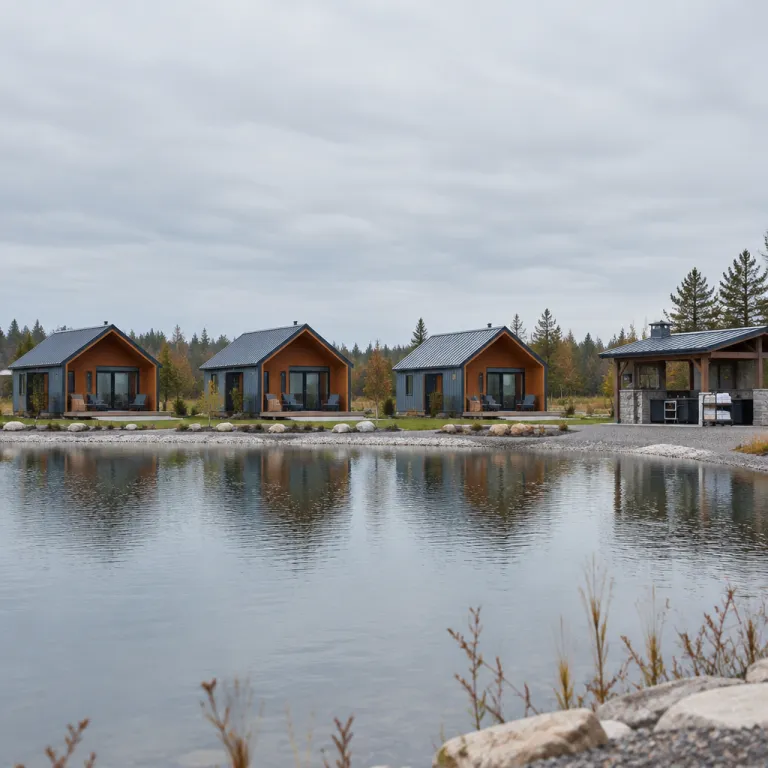
Milton Three Ponds in Strafford County looks like a simple leisure destination, yet milton three ponds vacation rentals operate as complex micro resorts. Around the lake and its three basins, each waterfront property becomes a live laboratory for hospitality talent strategy, especially for HR directors (DRH) and recruitment leaders. For hotel groups and hospitality schools (écoles hôtelières), these short term rentals reveal how new guest expectations reshape roles, skills, and employer branding across the wider hampshire region.
Hosts on platforms such as Vrbo and Airbnb manage lakefront cottage portfolios that rival small boutique hotels in operational intensity. They coordinate cleaning teams (équipes), maintenance, digital guest communication, and revenue management while protecting the fragile lake and forest environment. This hybrid model forces recruiters and training providers (organismes de formation) to rethink job descriptions, from traditional front desk profiles to multi skilled talent able to manage reviews, ratings, and real time service recovery for demanding milton guests.
On Northeast Pond, Depot Pond, and Townhouse Pond, each cottage or lakefront cottage must deliver a coherent experience despite fragmented ownership. One property may highlight a private beach and direct water access, another a hot tub on the deck, another a romantic getaway atmosphere facing the national forest. For DRH in larger hotel groups, these varied milton three ponds vacation rentals show how granular guest segmentation now drives talent needs, from family focused animators to winter operations specialists who can manage snow, ice, and safe access to the lake.
Hospitality talent challenges revealed by lakeside guest expectations
Guest expectations around milton three ponds vacation rentals are unforgiving, because every stay generates public reviews and a visible rating. A single negative comment about cleanliness, hot water issues, or a malfunctioning hot tub can damage both the individual cottage and the wider destination image. For DRH and recruitment managers (responsables recrutement), this pressure translates into a need for highly reliable, well trained operational teams who understand that every interaction at the lake or beach is reputational capital.
Families booking a summer vacation expect seamless access to the water, safe kayak storage, and clear information about local rules on Milton Three Ponds. Couples booking a romantic getaway want privacy, a quiet waterfront setting, and perhaps a hot tub facing the forest or the distant white mountain horizon. When these expectations are not met, the resulting reviews quickly expose gaps in training, supervision, or staffing models, which is why mapping attrition spikes and retention risks becomes critical for lakeside operations and for urban hotels alike.
For HR leaders, the lessons from lakeside rentals around Milton Three Ponds echo across the hospitality sector, especially in seasonal destinations such as weirs beach or other hampshire lake districts. Teams must be trained to manage both peak summer demand and winter downtime without losing engagement or service standards. Resources on hospitality attrition such as mapping the 90 day and 18 month attrition cliffs become directly relevant when a small lakeside équipe must deliver consistent quality despite intense seasonality and fluctuating occupancy.
Designing formation pathways for lakeside, multi skilled hospitality roles
Milton three ponds vacation rentals require staff who can move fluidly between roles, from guest communication to technical maintenance. A team member might handle pre arrival questions about the lakefront cottage, coordinate kayak rentals, and then troubleshoot a hot tub issue before evening check in. This multi role reality challenges écoles hôtelières and organismes de formation to design curricula that blend operations, digital skills, and environmental awareness.
Training modules need to cover water safety, basic lake ecology, and guest education about respecting the national forest and surrounding mountain national areas. At the same time, staff must master online communication, because many milton guests book through platforms where every message influences future reviews and the overall rating of the property. For DRH in hotel groups, these competencies are transferable to urban serviced apartments, resort villas, and branded residences that operate with similar autonomy and guest expectations.
Partnerships between local hosts in Milton, regional hotel schools in hampshire, and specialized HR consulting firms (RH cabinets) can formalize these skills into recognized certifications. A program might include practical rotations across different waterfront properties, from a compact cottage near the beach to a larger lakefront cottage with a hot tub and winter operations. Insights from urban case studies, such as why a contact center number can influence talent strategy in city hotels, are explored in resources like this analysis of contact strategies and talent, and they can be adapted to remote destinations where digital communication replaces a traditional front desk.
Recruitment strategies for high autonomy teams in milton three ponds vacation rentals
Recruiting for milton three ponds vacation rentals is fundamentally different from staffing a classic hotel with a central lobby and fixed shifts. Many roles are part time, highly autonomous, and spread across multiple properties around the lake and forest, which complicates supervision and on the job coaching. DRH and responsables recrutement must therefore prioritize candidates with strong self management skills, digital literacy, and a genuine affinity for outdoor lifestyles in hampshire.
Job descriptions should explicitly reference the realities of working around water, from early morning dock checks to late evening hot tub maintenance after guests enjoy the sunset. Candidates need to be comfortable moving between properties, sometimes by car along the shoreline, sometimes on foot through forest paths, and occasionally coordinating with external vendors for kayak deliveries or winter snow removal. These details help attract applicants who see the role as a lifestyle aligned with their values, not just a temporary vacation job.
For hotel groups, milton three ponds vacation rentals can serve as a proving ground for new recruitment channels and assessment methods. Structured interviews might include scenario questions about handling difficult reviews, protecting the rating of a waterfront listing, or guiding milton guests to explore nearby attractions such as weirs beach or white mountain trails. When these practices are formalized, they can be linked to performance KPIs like Payroll per Occupied Room, as explored in analyses of evolving payroll metrics in hospitality, ensuring that talent quality and cost efficiency remain aligned.
Performance management, reviews, and the new frontline of employer branding
In the context of lakeside rentals around Milton Three Ponds, performance management is no longer confined to internal scorecards and mystery audits. Public reviews on platforms where guests book their vacation stays become a real time performance dashboard for every cottage, lakefront cottage, and waterfront cabin. For DRH and RH consultants, this transparency transforms how employer branding, training quality, and service culture are evaluated.
A five star rating that praises cleanliness, warm communication, and a well maintained hot tub reflects both individual effort and systemic support from the employer. Conversely, repeated complaints about cold water, unsafe kayak storage, or noisy neighbors at the beach signal structural issues in staffing levels, training content, or supervision. HR leaders must therefore integrate review analysis into their regular talent reviews, treating guest comments as qualitative data (données) that complement traditional KPIs such as turnover, absenteeism, and time to hire.
Employer branding in hampshire now depends on how teams respond to feedback, especially in small communities like Milton in Strafford County. A thoughtful response to a negative review, offering a partial refund or a future romantic getaway upgrade, can turn a potential reputational crisis into a loyalty story. As one local host explains, “Our team reads every comment together at the end of the week. We celebrate the five star mentions of the dock or the hot tub, and we turn any criticism into a concrete action plan for the next arrivals.” For écoles hôtelières, teaching students to manage these digital interactions is as important as teaching them to prepare a room, because the online narrative around milton three ponds vacation rentals directly influences both future bookings and the attractiveness of the employer.
Sustainability, well being, and long term talent retention around the lake
Working in milton three ponds vacation rentals can be both energizing and exhausting, depending on how employers manage workload, seasonality, and environmental constraints. Staff often operate in small équipes, covering cleaning, maintenance, guest communication, and emergency response across multiple waterfront properties. Without clear boundaries and support, this intensity can accelerate burnout and undermine retention, especially during peak summer vacation periods.
Forward looking DRH are linking sustainability goals with talent well being, recognizing that protecting the lake, forest, and national forest ecosystems also protects the long term attractiveness of the workplace. Rotating tasks between indoor and outdoor duties, scheduling recovery days after intense check in waves, and offering training on safe winter operations all contribute to a healthier work environment. When teams feel respected and supported, they are more likely to stay through multiple seasons, building expertise that directly improves reviews, ratings, and guest satisfaction.
Retention strategies can also leverage the unique lifestyle benefits of working in hampshire lake regions. Employers might offer staff access to kayaks during off hours, organize team evenings in the hot tub when properties are vacant, or arrange educational outings to nearby white mountain or weirs beach areas. In this way, milton three ponds vacation rentals become not only places where guests enjoy a romantic getaway or family stay, but also workplaces where hospitality professionals can grow, learn, and build sustainable careers.
Key figures and operational benchmarks around milton three ponds vacation rentals
- Milton Three Ponds is composed of three main basins, with Northeast Pond covering about 645 acres, Depot Pond (also called Milton Pond) around 271 acres, and Townhouse Pond approximately 126 acres, which creates a substantial combined lakefront perimeter for hospitality operations (figures based on New Hampshire Department of Environmental Services watershed and mapping data).
- Typical nightly costs for lakefront rentals on Milton Three Ponds range from a few hundred to over one thousand United States dollars per night, depending on property size and amenities such as private beach access or a hot tub, positioning these rentals in the mid to upper tier of regional leisure accommodation pricing (estimates compiled from major short term rental platforms and local tourism reports).
- Many rentals are located directly on the shoreline with private docks and beaches, which increases both guest appeal and operational complexity, because staff must manage water safety, equipment maintenance, and environmental compliance along the waterfront.
- Year round availability is possible for several properties, but demand peaks during summer weekends and holiday periods, which requires flexible staffing models and careful planning of formation and recruitment pipelines for seasonal roles (patterns observed in regional lodging statistics and booking calendars).
- Hosts frequently highlight off season discounts and winter friendly amenities such as insulated cottages and heated tubs, encouraging a longer operating season and creating opportunities for more stable employment contracts in the local hospitality workforce.
FAQ about talent, formation, and recruitment for milton three ponds vacation rentals
How do milton three ponds vacation rentals differ from traditional hotels in talent needs ?
These rentals rely on small, highly autonomous équipes that manage multiple properties spread around the lake, rather than centralized teams in a single building. Staff must combine housekeeping, basic maintenance, digital guest communication, and local concierge skills. This multi skilled profile requires tailored formation programs and careful recruitment to ensure reliability and adaptability.
What specific training should hospitality schools offer for lakeside operations ?
Écoles hôtelières should integrate modules on water safety, environmental stewardship, and outdoor activity coordination alongside classic hotel operations. Students need practice managing guest expectations around amenities such as kayaks, beaches, and hot tubs, as well as handling online reviews and ratings. Field placements in milton three ponds vacation rentals or similar lakefront properties can provide essential real world experience.
Can you find lakefront rentals on Milton Three Ponds ?
Yes many rentals are right on shores with docks and private beaches. This proximity to the water increases guest appeal but also demands rigorous safety protocols and maintenance routines from staff. HR leaders must ensure that training covers both hospitality standards and specific risks linked to waterfront environments.
What is the typical staffing challenge during peak summer periods ?
During high season, the main challenge is synchronizing cleaning, maintenance, and check in schedules across numerous cottages and lakefront cottages with tight turnover windows. Teams must handle increased guest volumes while maintaining quality, which can strain under resourced opérations. Proactive recruitment, cross training, and realistic workload planning are essential to avoid service failures and negative reviews.
How can employers improve retention in small lakeside hospitality teams ?
Employers can improve retention by offering clear career paths, structured formation, and benefits that leverage the local lifestyle, such as access to kayaks or forest trails. Transparent scheduling, fair compensation aligned with seasonal intensity, and recognition of high performance also play a crucial role. When staff feel valued and connected to the hampshire environment, they are more likely to commit to multiple seasons at milton three ponds vacation rentals.