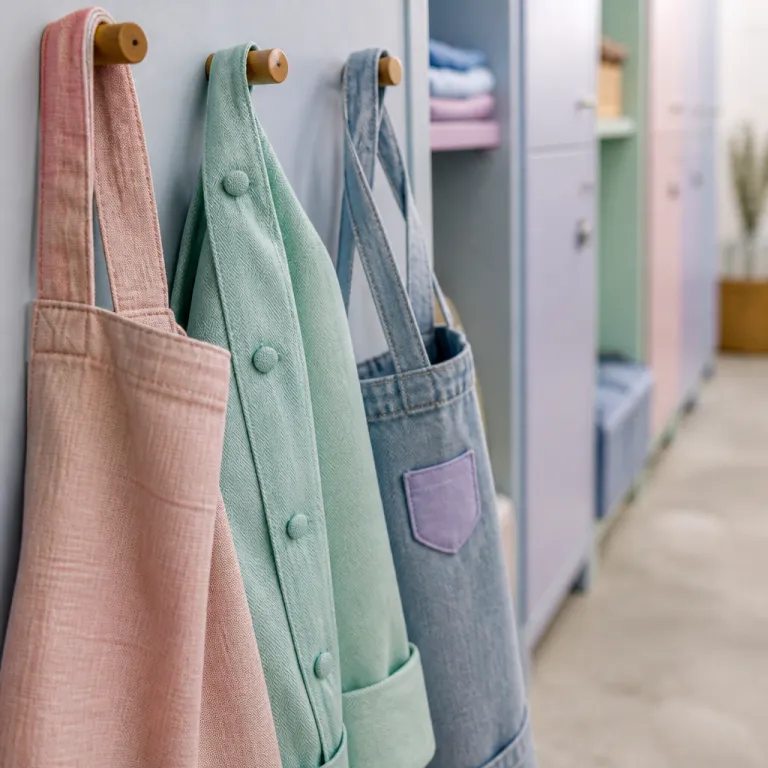
Why trending restaurant uniform styles matter for talent and HR strategy
Restaurant uniform choices have moved from a marginal topic to a strategic HR lever. For any serious analysis of trending restaurant uniform styles in the 2026 hospitality landscape, the link between uniforms and talent attraction is now impossible to ignore, especially in competitive urban markets. When a hospitality brand refreshes its uniform program, the impact on staff motivation, candidate perception and customer satisfaction can be measured in concrete recruitment and retention indicators.
Hospitality brands and uniform suppliers report that modern restaurant uniforms with relaxed tailoring, breathable materials and eco friendly fabrics are now a decisive factor for younger candidates. In a tight hospitality labour market, HR directors and recruitment managers see that uniforms influence how women and men evaluate a potential employer, from the chef uniform in the kitchen to the hotel uniform at the front desk. The uniform market has therefore become a shared playground for HR, design teams and operations, not just for procurement.
From an HR perspective, restaurant uniform projects are a rare opportunity to align brand identity, service standards and working conditions in a single initiative. A thoughtful uniform strategy can reduce baseline levels of turnover by improving comfort for kitchen staff and front of house teams, while also clarifying service expectations for every role. This is why any serious hospitality industry analysis now treats uniform styles as part of workforce planning, not as a purely aesthetic decision.
From dress code to skills signal: uniforms as a recruitment and training tool
Uniform styles have become a visible signal of how a restaurant or hotel invests in its team and in training. In a rigorous review of trending restaurant uniform styles for 2026, uniforms are now read as a proxy for management culture, learning pathways and respect for operational constraints. Candidates interpret a high quality chef jacket or well designed cafe uniforms as evidence that the employer understands the realities of food service and kitchen work.
For HR leaders and hospitality schools, this shift opens new pedagogical opportunities. When students wear modern restaurant uniforms during practical courses, they experience how long sleeve jackets, ergonomic aprons and performance materials support movement and safety in the kitchen. Trainers can then connect these design choices to service rituals, mise en place discipline and hygiene standards, turning the chef uniform and staff outfits into concrete teaching tools rather than simple dress codes.
Recruitment specialists in the food service sector already integrate uniform program details into their employer branding narratives. As shown in analyses of how food industry recruiters reshape hospitality talent training and recruitment strategies on specialised talent platforms, candidates respond better when they see real images of restaurant teams in action. A clear description of uniform styles, from hotel uniform pieces to restaurant uniform options for different roles, helps applicants visualise themselves in the job and reduces uncertainty before they submit their application.
Designing restaurant uniforms with HR data: aligning comfort, safety and brand identity
HR leaders who take uniforms seriously start with data, not with colours. A robust hospitality industry analysis of trending restaurant uniform styles uses staff surveys, exit interview data and health and safety reports to identify pain points in existing designs. Typical issues include overheating in the kitchen, lack of pockets for service tools, or aprons that restrict movement during peak service.
Once these constraints are mapped, HR can brief uniform suppliers and fashion forward designers with clear functional requirements. For kitchen staff, this often means specifying breathable chef jacket fabrics, stain resistant materials and long sleeve options that still allow full range of motion. For front of house staff uniforms, the focus may shift to elegant but modern cuts, inclusive sizing for women and men, and subtle design cues that reinforce brand identity without compromising comfort during a six hour service.
Hotel groups that operate across several countries now treat the uniform market as a strategic sourcing category, comparable to technology or food service equipment. Some build multi year partnerships with hospitality brands and uniform manufacturers, using design software and performance fabrics to prototype new restaurant uniform collections. Internal case studies from international hotel chains show that aligning uniforms with local labour expectations can support both recruitment and retention, especially when staff are consulted during the design phase.
Sustainability, eco friendly materials and the expectations of new hospitality talent
For the new generation of hospitality professionals, eco friendly commitments are no longer a bonus. Any credible review of trending restaurant uniform styles for 2026 must therefore integrate sustainability criteria into the evaluation of uniform programs. When a restaurant or hotel uniform collection uses recycled fibres, low impact dyes and durable high quality stitching, candidates see a concrete expression of the brand values often highlighted in recruitment campaigns.
Uniform suppliers report a strong shift in the uniform market towards sustainable materials, supported by internal order data showing a double digit increase in demand for eco friendly options. This aligns with the broader hospitality movement towards responsible sourcing, where aprons, chef jacket designs and cafe uniforms are evaluated for lifecycle impact as carefully as food service packaging. For HR, this means that procurement decisions about restaurant uniforms now influence the credibility of ESG narratives shared with potential recruits and hospitality school partners.
Hospitality brands that integrate sustainability into uniform styles also gain storytelling assets for onboarding and training. When kitchen staff learn that their chef uniform uses smart fabrics that reduce washing frequency, they understand how operational choices support both cost control and environmental goals. This narrative can be extended to customers, who increasingly ask how the restaurant, bar or café manages waste, energy and textiles, making uniform projects a visible part of the overall sustainability story.
Smart fabrics, modern tailoring and their impact on performance and retention
Technological innovation has entered the uniform market with surprising speed. A detailed look at trending restaurant uniform styles for 2026 now includes smart fabrics that regulate temperature, wick moisture and resist stains, especially for high intensity kitchen and food service environments. These materials directly influence staff comfort, which in turn affects performance, absenteeism and retention.
Industry observers note that a growing share of hotels and restaurants have already adopted modern tailoring for their staff uniforms, often combining relaxed fits with performance textiles. In parallel, demand for sustainable uniforms has risen sharply, confirming that eco friendly and fashion forward are no longer contradictory goals in restaurant uniform design. When HR teams quantify the impact of these changes, they often see fewer uniform related complaints, lower replacement costs and improved satisfaction scores in internal surveys.
Smart design details also matter at the micro level of daily service. Long sleeve chef jacket options that can be rolled and secured, aprons with reinforced straps, and cafe uniforms with discreet pockets for digital order devices all contribute to smoother workflows. As one HR director from a European hotel group explained in an internal debrief, “Our new uniforms are treated like equipment, not decoration. They offer breathability, temperature regulation and stain resistance, which our teams immediately notice on busy shifts.” When HR, operations and design teams collaborate on such features, uniform projects become a lever for both productivity and well being.
Building an ecosystem around uniforms: education, suppliers and recruitment partners
The most advanced hospitality groups treat uniforms as part of a broader ecosystem that connects education, suppliers and recruitment partners. In a mature analysis of trending restaurant uniform styles for 2026, the uniform program is co designed with hospitality schools, uniform manufacturers and sustainability consultants, not imposed top down by a single department. This collaborative approach ensures that restaurant uniforms reflect real operational needs, evolving trends shaping the industry and the expectations of future talent.
Training organisations now invite uniform suppliers and fashion designers to co animate workshops on brand identity, posture and professional image. Students experiment with different uniform styles for restaurant, bar, café and hotel scenarios, learning how clothing influences non verbal communication with customers. Articles on hospitality recruitment events in Asia, presented on specialised recruitment event overviews, show how live fashion forward uniform shows can attract candidates and stimulate dialogue between industry leaders and educators.
For specialised HR consultancies, this ecosystem view creates new advisory missions. They help clients benchmark their uniform program against competitors, analyse the uniform market for best practices, and integrate questions about restaurant uniform expectations into candidate interviews. By treating uniform decisions as part of a coherent talent strategy, they support HR leaders in aligning service culture, brand positioning and the everyday reality of kitchen staff and front of house teams.
Key figures on restaurant uniforms, talent and the hospitality industry
- Surveys by large hotel groups indicate that a majority of properties have adopted more contemporary cuts and relaxed fits for staff uniforms, suggesting that modern tailoring is now a mainstream expectation in the hospitality industry (internal HR and brand audits).
- Several global uniform suppliers report double digit growth in orders for sustainable and eco friendly uniforms over the last few years, showing that environmental criteria are now central in uniform market tenders and HR procurement decisions (supplier sales reports).
- Hospitality brands that invest in high quality restaurant uniforms and chef uniform collections often report measurable reductions in staff complaints related to comfort and safety, which can translate into lower turnover and improved retention over a two to three year period (HR case studies from international hotel groups).
- Uniform manufacturers note that smart and performance fabrics now represent a growing share of new orders, especially for kitchen staff and food service roles where temperature regulation and stain resistance are critical to daily service quality (global supplier interviews and product mix analyses).
FAQ about restaurant uniform trends and hospitality talent strategies
What are the key restaurant uniform trends shaping HR decisions ?
The main trends shaping HR decisions include modern tailoring with relaxed fits, earthy or muted colour palettes, smart fabrics and a strong emphasis on sustainability. Cultural and modest styling is also gaining importance, especially for international brands that operate in diverse markets. These trends influence how candidates perceive the professionalism and inclusiveness of a hospitality employer.
Why are restaurants and hotels updating their uniform programs ?
Restaurants and hotels are updating their uniform programs to enhance brand identity, improve staff comfort and align with eco friendly expectations from both customers and employees. Updated uniforms can reduce physical strain, support better hygiene and create a more coherent visual language across all service points. For HR, these changes also strengthen employer branding and support recruitment campaigns.
How do smart fabrics benefit kitchen and service staff ?
Smart fabrics benefit kitchen and service staff by offering better breathability, temperature regulation and stain resistance during long shifts. These materials help maintain comfort in hot kitchens and busy dining rooms, which can reduce fatigue and improve concentration. Over time, this contributes to higher service quality and fewer health related complaints.
What role does sustainability play in uniform design for talent attraction ?
Sustainability plays a central role in uniform design because many candidates now evaluate employers on their environmental commitments. Eco friendly uniforms made from recycled or responsibly sourced materials support corporate ESG narratives and appeal to values driven talent. When HR communicates these choices clearly, they reinforce trust and authenticity in recruitment messages.
Are cultural and modest styling important in global hospitality uniforms ?
Cultural and modest styling are crucial for global hospitality brands that operate across different regions and guest segments. Uniforms that respect local norms on coverage, colour and symbolism help staff feel comfortable and avoid cultural missteps with customers. This sensitivity also signals that the employer values diversity and inclusion in both design and daily service.