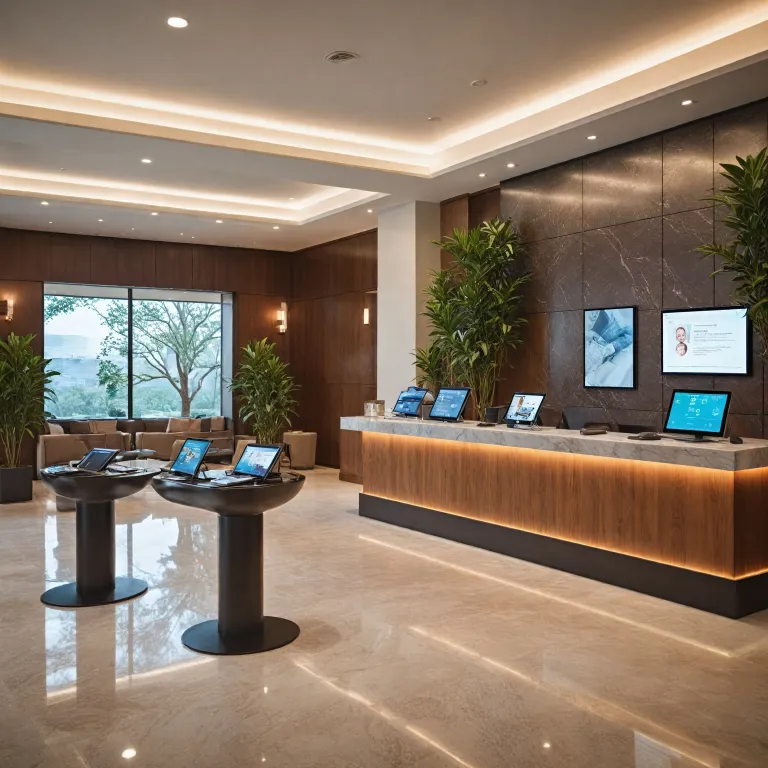
From static job boards to programmatic job ads in hospitality
Hospitality recruitment has long relied on manual job advertising across fragmented job boards and local media. This traditional job advertising process consumes time, inflates the cost per hire, and often fails to reach qualified candidates in real time. For DRH and recruiting leaders, the gap between open job and available talent is widening, especially in operational roles.
Programmatic job ads change this equation by using a programmatic advertising platform to automate where and when each job ads campaign appears. Instead of guessing which job boards or social media channels might attract job seekers, a programmatic recruitment platform distributes each programmatic job across multiple boards, then reallocates budget based on performance. This data driven approach turns recruitment advertising into a measurable, optimised media strategy rather than a static posting exercise.
In hospitality, where turnover is high and talent acquisition is continuous, the benefits programmatic solutions bring are tangible. Recruiters can track recruitment marketing performance in real time, compare the cost hire across channels, and focus spend on the advertising programmatic mix that generates the most qualified candidates. Programmatic advertising also supports both a single job and large scale campaigns for hotel groups, adapting bids and placements automatically. As one expert summary states, “Automated buying, placement, and optimization of job ads using software.”
For écoles hôtelières and organismes de formation, understanding programmatic recruitment is now essential to prepare students for a data driven hiring environment. Programmatic platforms already integrate with Applicant Tracking Systems and analytics tools, enabling DRH to align recruiting decisions with broader workforce planning. This shift from intuition to data transforms the role of recruitment teams into strategic talent advisors.
Aligning programmatic job ads with hospitality employer branding
Programmatic job ads are not only about cost and performance ; they are also powerful levers for employer branding in hospitality. A modern advertising platform can segment audiences so that each job advertising message reflects the specific culture of a luxury resort, lifestyle brand, or serviced apartment group. This alignment between programmatic advertising and brand voice reassures candidates that the job and the employer truly match their expectations.
Recruitment advertising in hospitality must speak to both operational job seekers and future leaders emerging from écoles hôtelières. With programmatic recruitment, DRH can tailor job ads for different candidate personas while managing everything from a single platform. The same programmatic job can appear on niche job boards, mainstream boards search engines, and social media feeds, each version adapted to the media context and candidate journey.
For groups hôteliers working with specialised agencies, programmatic job ads amplify the impact of expert partners. Hospitality recruitment agencies that master programmatic advertising can orchestrate recruitment marketing across multiple job boards and social media, while continuously optimising cost hire and reach. This is why many leaders now turn to hospitality recruitment agencies that elevate talent acquisition through data driven media strategies.
Programmatic platforms also support A/B testing of recruitment advertising creatives, enabling DRH to compare which job ads wording, visuals, or benefits programmatic messages attract more qualified candidates. Over time, this real time feedback loop refines both the job advertising process and the broader employer brand narrative. In a sector where service quality depends on engaged talent, aligning programmatic job ads with authentic storytelling becomes a strategic advantage.
Using data driven insights to improve hospitality hiring decisions
The real strength of programmatic job ads lies in the data they generate across the entire recruiting funnel. Every impression, click, and application becomes a data point that informs future recruitment marketing decisions and talent acquisition strategies. For DRH, this means moving from anecdotal feedback about a job boards campaign to precise, real time dashboards on performance and cost hire.
Programmatic advertising platforms aggregate data from multiple job boards, social media, and other media channels into a single interface. This allows recruitment teams to compare which boards search environments deliver more qualified candidates for specific hospitality roles, from front office to revenue management. Over time, the programmatic recruitment engine learns which job advertising patterns work best and automatically adjusts bids and placements.
These data driven insights are particularly valuable when combined with external benchmarking on hospitality recruitment websites. Resources such as this guide to the best hospitality recruitment websites help DRH decide where a programmatic job should initially run. The advertising programmatic algorithm then refines the mix, ensuring that each job ads budget is allocated to the highest performing channels. This continuous optimisation shortens time to hire and improves the overall quality of talent entering the pipeline.
For écoles hôtelières and organismes de formation, teaching future recruiters how to interpret recruitment advertising data is now a core skill. Understanding how programmatic advertising translates into concrete hiring outcomes prepares graduates to manage complex, multi channel job advertising ecosystems. In hospitality, where margins are tight and service standards are high, this analytical capability becomes a decisive competitive asset.
Integrating programmatic platforms into hospitality recruitment processes
To unlock the full benefits programmatic solutions offer, hospitality organisations must integrate programmatic platforms into their existing recruitment process. This starts with connecting the advertising platform to the Applicant Tracking System so that job data flows automatically between systems. When a new job is created in the ATS, the programmatic recruitment engine can instantly generate job ads and distribute them across selected job boards and media.
Real time performance tracking then feeds back into the ATS, allowing DRH and recruiting teams to see which programmatic job sources deliver the most qualified candidates. This closed loop between job advertising and hiring outcomes is essential for accurate cost hire calculations and strategic workforce planning. It also reduces manual work, freeing recruiters to focus on candidate engagement rather than repetitive posting tasks.
For groups hôteliers operating across several countries, programmatic advertising simplifies the management of multiple boards search contracts and local media relationships. Instead of negotiating individually with each job boards provider, the organisation can centralise spend through a single advertising programmatic partner. This consolidation improves transparency on recruitment advertising budgets and supports consistent employer branding across regions.
As programmatic advertising in recruitment continues to evolve, AI driven targeting and optimisation will further enhance performance. Trends already highlight increased use of AI in recruitment, growth of mobile job applications, and a stronger emphasis on candidate experience. Hospitality organisations that embed programmatic job ads into their core recruiting process will be better positioned to adapt to these shifts and maintain a robust talent pipeline.
Programmatic job ads as a lever for strategic hospitality talent acquisition
Beyond operational efficiency, programmatic job ads are reshaping how hospitality leaders think about talent acquisition. Instead of treating each job as an isolated vacancy, DRH can use programmatic recruitment data to map long term talent needs across properties and brands. This strategic view connects recruitment advertising, workforce planning, and leadership development into a coherent whole.
Programmatic advertising platforms provide granular insights into which markets, profiles, and media channels yield the strongest talent pools. By analysing this data in real time, recruitment marketing teams can adjust job advertising campaigns to support new openings, seasonal peaks, or brand repositioning. The ability to reach job seekers precisely when and where they are most receptive transforms programmatic job campaigns into a continuous talent acquisition engine.
Specialised RH cabinets and hospitality recruitment agencies play a key role in orchestrating this advertising programmatic ecosystem. Their expertise in programmatic advertising, boards search optimisation, and social media targeting helps hotel groups maximise both performance and employer brand visibility. For DRH, partnering with such experts ensures that each programmatic job and each family of job ads contributes to a broader talent strategy rather than isolated hiring actions.
Thought leadership on talent assessment and leadership pipelines further enriches this approach. Insights such as those shared in this analysis of how talent assessment is reshaping hospitality recruitment and leadership pipelines help align programmatic recruitment with succession planning. When programmatic job ads, assessment tools, and learning pathways are coordinated, hospitality organisations can secure not only immediate hires but also future leaders.
Building capabilities for programmatic recruitment across hospitality stakeholders
To fully harness programmatic job ads, all stakeholders in the hospitality talent ecosystem must build new capabilities. DRH and responsables recrutement need a solid understanding of programmatic advertising principles, from data driven bidding to multi channel media planning. Job advertisers must also learn how to brief agencies and platforms so that each job advertising campaign reflects both operational needs and employer brand values.
Écoles hôtelières and organismes de formation have a crucial role in integrating programmatic recruitment into their curricula. Future recruiters and HR leaders should practice designing job ads, configuring an advertising platform, and interpreting real time performance dashboards. By working with simulated job boards and social media campaigns, students can experience how a single programmatic job behaves differently across various media environments.
For job seekers, transparency about how programmatic advertising works can improve trust and engagement. When candidates understand that recruitment advertising uses data to match their profiles with relevant job ads, they are more likely to interact with platforms and keep their information updated. This, in turn, helps programmatic advertising engines identify more qualified candidates and refine boards search strategies.
Finally, hospitality organisations should establish governance frameworks around data, ethics, and performance measurement in programmatic recruitment. Clear guidelines on acceptable data use, diversity objectives, and cost hire targets ensure that programmatic job ads support fair and sustainable hiring practices. As one expert answer notes, “It saves time, optimizes budgets, and improves candidate targeting.” Another adds, “Yes, it can be tailored to fit various budgets and needs.” These perspectives underline that programmatic job ads, when thoughtfully deployed, can benefit both recruiters and candidates across the hospitality sector.
Key statistics on programmatic job ads in recruitment
- Percentage of recruiters using programmatic advertising : 70 % (Recruitics).
- Average reduction in cost per hire with programmatic advertising : 30 % (JobTarget).
Frequently asked questions about programmatic job ads in hospitality
What is programmatic job advertising ?
What is programmatic job advertising? It is the automated process of buying and placing job ads using software. In hospitality, this means that each job can be distributed across multiple job boards and media channels, with budgets optimised in real time. The goal is to improve recruitment advertising performance while reducing manual work for recruiting teams.
How does programmatic job advertising benefit recruiters ?
How does programmatic job advertising benefit recruiters? It saves time, optimizes budgets, and improves candidate targeting. For DRH and responsables recrutement in hospitality, this translates into faster time to hire, better alignment between job ads and candidate profiles, and more efficient use of recruitment marketing budgets. Programmatic job ads also provide detailed data to refine future campaigns.
Is programmatic job advertising suitable for small businesses ?
Is programmatic job advertising suitable for small businesses? Yes, it can be tailored to fit various budgets and needs. Smaller hotels and independent restaurants can run programmatic job campaigns with modest budgets while still benefiting from data driven optimisation. This flexibility makes programmatic recruitment accessible across the hospitality ecosystem.
Which tools are commonly used with programmatic job ads ?
Programmatic job ads typically rely on programmatic advertising platforms connected to Applicant Tracking Systems. Data analytics tools then measure performance in real time, helping recruitment teams understand which job boards and media deliver the most qualified candidates. In hospitality, these tools are often integrated with broader HR systems to support strategic talent acquisition.
What impact does programmatic job advertising have on candidate experience ?
Programmatic job advertising can significantly enhance candidate experience when used thoughtfully. By targeting job seekers with relevant job ads on the right media at the right time, it reduces noise and improves the perceived quality of opportunities. Combined with mobile friendly applications and clear employer branding, programmatic recruitment supports a smoother, more engaging journey for hospitality candidates.