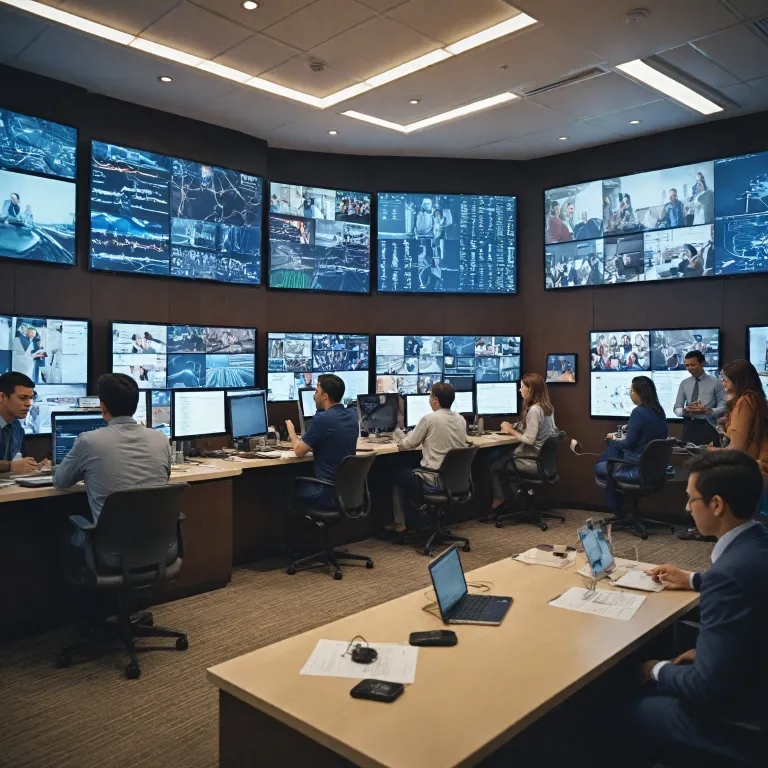
AI and automation: reshaping hospitality recruitment processes
The hospitality industry is experiencing a profound transformation in recruitment trends, driven by the integration of AI and automation. Hospitality employers are leveraging AI-driven applicant tracking systems to streamline the hiring process, reducing the time to hire by up to 40%. This shift enables hospitality businesses to manage high volume recruitment efficiently, ensuring that both talent and candidate experience are prioritized. Automation tools not only accelerate candidate screening but also enhance the overall hospitality recruitment process, making it more data driven and responsive to real time labor market demands. As a result, hospitality brands are able to attract tech savvy candidates who expect seamless digital experiences throughout the recruitment journey. The adoption of these technologies is now a defining feature of hospitality recruitment trends, setting new standards for efficiency and candidate expectations in the hospitality sector.
Technology providers play a crucial role in this evolution, offering solutions that support both large hospitality groups and independent restaurant operators. Virtual reality assessments and digital recruitment platforms are becoming standard, allowing candidates to showcase their skills in simulated guest experiences. These innovations not only improve the quality of hires but also align with the long term goals of hospitality businesses to build a workforce adept at delivering exceptional guest experiences. The integration of AI and automation is not just a trend; it is a strategic imperative for hospitality hiring in a competitive labor market.
Gen Z and diversity: shaping the future of hospitality talent
The rise of Gen Z in the hospitality workforce is influencing recruitment trends and redefining candidate expectations. With 32% of new hospitality hires now from Gen Z, hospitality employers must adapt their talent acquisition strategies to appeal to this demographic. Gen Z candidates value flexible work arrangements, digital engagement, and a strong employer brand that reflects diversity and inclusion. Hospitality recruitment must therefore emphasize these elements to attract and retain top talent in a rapidly evolving industry.
Diversity, equity, and inclusion are no longer optional in hospitality hiring; they are essential for building high performing teams. As one expert notes, "Diversity enhances team performance and innovation, leading to higher profitability and better guest satisfaction." Hospitality businesses that prioritize inclusive recruitment practices are better positioned to meet the expectations of both candidates and guests. For DRH and recruitment managers, partnering with diversity consultants and leveraging social media to showcase inclusive employer brands are effective strategies for staying ahead in hospitality recruitment trends. For further insights into diversity best practices, explore inclusive recruitment in hospitality.
Soft skills and emotional intelligence: the core of hospitality hiring
While technology is transforming the recruitment process, the hospitality industry continues to place a premium on soft skills and emotional intelligence. Hospitality recruitment trends highlight the importance of empathy, communication, and adaptability in delivering memorable guest experiences. As one industry expert states, "Soft skills like empathy and communication are crucial for creating positive guest experiences and fostering a harmonious workplace." Hospitality employers are increasingly using behavioral assessments and scenario based interviews to evaluate these competencies during the hiring process.
For hospitality brands, investing in the development of soft skills among restaurant workers and hotel staff is a long term strategy for enhancing guest satisfaction and building a resilient workforce. Training organizations and hospitality schools are responding by integrating soft skills modules into their curricula, ensuring that candidates are well prepared for the demands of the hospitality sector. For more on the integration of soft skills in recruitment, see hospitality talent development programs. This focus on human centric qualities complements the data driven and tech savvy approaches that define current hospitality recruitment trends.
Flexible work arrangements and upskilling: meeting evolving candidate expectations
Flexible work arrangements are becoming a cornerstone of hospitality recruitment, reflecting changing candidate expectations and labor market dynamics. Hospitality businesses are offering part time roles, remote work options for certain positions, and flexible scheduling to attract a broader pool of talent. This approach not only improves employee satisfaction but also supports high volume recruitment in peak periods. As highlighted by experts, "Flexible work options attract talent who value work life balance, leading to increased employee satisfaction and productivity."
Upskilling and reskilling programs are equally vital in the hospitality industry, enabling employees to adapt to new technologies and evolving guest expectations. Hospitality employers are partnering with training organizations to deliver targeted learning experiences that enhance both technical and soft skills. These initiatives are essential for maintaining a competitive edge in the hospitality sector and ensuring that employees are equipped to deliver outstanding guest experiences.
Employer branding and social media: attracting top hospitality talent
In a competitive labor market, employer branding has emerged as a critical factor in hospitality recruitment trends. Hospitality brands are leveraging social media platforms to showcase their workplace culture, employee experiences, and commitment to diversity. This visibility not only attracts candidates but also strengthens the employer brand in the eyes of both job seekers and current employees. Data driven recruitment campaigns on social media enable hospitality employers to reach tech savvy candidates who are actively seeking opportunities in the industry.
High volume recruitment campaigns benefit from targeted social media strategies that highlight the unique aspects of working in the hospitality industry. By sharing real time stories of employee achievements and guest experiences, hospitality businesses can differentiate themselves and appeal to candidates who align with their values. The use of digital platforms for employer branding is now integral to talent acquisition, supporting long term recruitment goals and enhancing the overall candidate experience in hospitality hiring.
Data driven recruitment and cost efficiency in hospitality hiring
Data driven approaches are revolutionizing hospitality recruitment, enabling employers to optimize the hiring process and reduce cost per hire. By analyzing recruitment trends and candidate data, hospitality businesses can identify the most effective sourcing channels and refine their talent acquisition strategies. AI powered analytics provide insights into candidate expectations, labor market fluctuations, and the effectiveness of recruitment campaigns. This level of precision supports high volume hiring while maintaining quality and efficiency.
Cost efficiency is a top priority for hospitality employers, especially in a sector characterized by seasonal fluctuations and intense competition. The adoption of data driven recruitment tools allows hospitality brands to allocate resources strategically, ensuring that every step of the process contributes to long term business success. As the hospitality industry continues to evolve, the integration of technology, data, and human insight will define the future of hospitality recruitment trends and set new benchmarks for excellence in talent acquisition.
Key statistics on hospitality recruitment trends
- Applications per vacancy increased by 47% in Q1 2025.
- Gen Z accounted for 32% of new hospitality hires in 2025.
- AI adoption reduced hiring time by 40%.
Frequently asked questions about hospitality recruitment trends
How is AI transforming hospitality recruitment?
AI is streamlining recruitment by automating tasks like resume screening and interview scheduling, leading to faster hiring processes and improved candidate experiences.
Why are soft skills important in hospitality hiring?
Soft skills like empathy and communication are crucial for creating positive guest experiences and fostering a harmonious workplace.
What role does diversity play in hospitality recruitment?
Diversity enhances team performance and innovation, leading to higher profitability and better guest satisfaction.
Trusted sources for hospitality recruitment trends
- https://www.caterer.com
- https://www.hospitalitynet.org
- https://www.hospitalityinsights.com
